Machu Picchu is more than just a destination it’s a journey into the heart of Peru. Hidden high in the Andes Mountains and surrounded by lush cloud forests, this ancient Inca citadel continues to captivate travelers from around the world.
But before planning your trip, one of the most common questions is: where exactly is Machu Picchu in Peru?
Understanding its location not only helps you plan your itinerary, but also gives you a deeper appreciation of why this iconic site is considered one of the greatest travel experiences on Earth.
Where Is Machu Picchu Located?
Machu Picchu is located in southern Peru, within the Cusco region, one of the most historically and culturally rich areas of the country. It lies approximately 80 kilometers (50 miles) northwest of Cusco, the former capital of the Inca Empire.
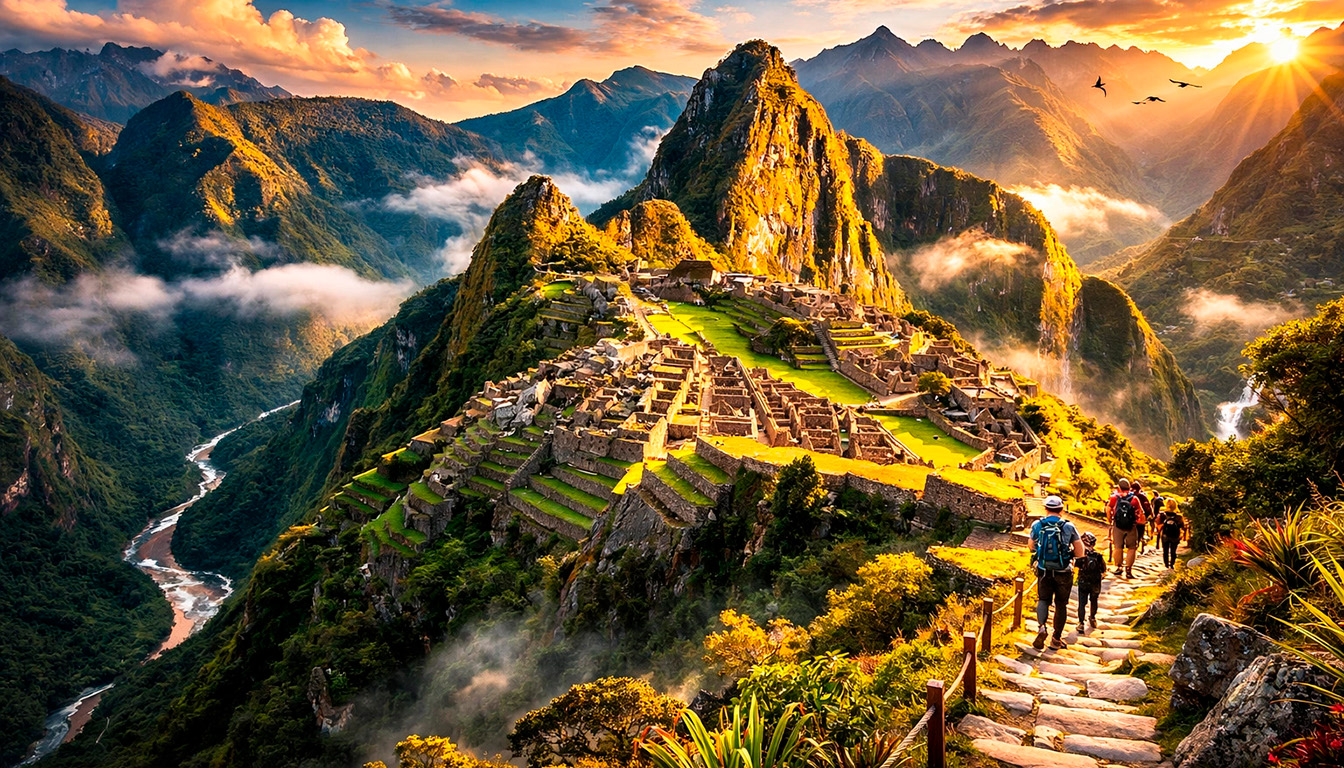
The citadel sits at an altitude of 2,430 meters (7,970 feet) above sea level, perched on a narrow ridge between towering Andean peaks and overlooking the winding Urubamba River below.
This unique setting is no coincidence. The Incas carefully selected this location for its natural beauty, spiritual significance, and strategic advantages.
A Hidden Wonder in the Andes
What makes Machu Picchu truly remarkable is not just its history, but its location. Unlike other ancient cities built in open landscapes, Machu Picchu was constructed in a remote and almost inaccessible mountain environment. Surrounded by steep cliffs and dense vegetation, it remained hidden from the outside world for centuries.
Today, visitors arriving at the site often describe the same feeling: a sense of discovery, as if they’ve stumbled upon a secret preserved in time. The surrounding geography mist covered mountains, deep valleys, and rich biodiversity creates an atmosphere that feels both powerful and serene.
Why Did the Incas Choose This Location?
The location of Machu Picchu reflects the advanced knowledge and vision of the Inca civilization.
Strategic Protection: The natural terrain made the site difficult to reach, offering protection from potential enemies.
Spiritual Connection: Mountains were sacred in Inca culture. Building Machu Picchu among these peaks allowed a deeper connection with nature and the cosmos.
Harmony with Nature: Rather than dominating the landscape, the Incas integrated the city into it designing terraces, water systems, and stone structures that still stand today.
This balance between architecture and environment is one of the reasons Machu Picchu continues to inspire travelers and historians alike.
How to Get to Machu Picchu
Due to its remote location, reaching Machu Picchu is part of the adventure and one of the highlights of any trip to Peru.
There are several ways to get there, depending on your travel style.
- Scenic Train Journey: The most popular option is taking a train from Cusco or the Sacred Valley to Aguas Calientes, the town located at the base of Machu Picchu.
Along the way, travelers enjoy breathtaking views of valleys, rivers, and mountains a journey that feels like part of the destination itself.
- Trekking Routes: For those seeking a more immersive experience, trekking is an unforgettable way to reach Machu Picchu.
The famous Inca Trail, along with alternative routes like Salkantay or Lares, offers a deeper connection to the Andean landscape and Inca history.
- Alternative Routes: There are also budget-friendly options that combine road travel and short hikes, ideal for adventurous travelers looking for a different experience.
The Gateway: Aguas Calientes
At the base of Machu Picchu lies Aguas Calientes, also known as Machu Picchu Pueblo. This small town serves as the main access point to the citadel and offers everything travelers need before their visit:
- Comfortable accommodations
- Restaurants and cafes
- Thermal hot springs
- Bus or hiking access to the ruins
From here, it’s just a short journey up the mountain to reach the iconic site.
What to Expect When You Arrive
Arriving at Machu Picchu is a moment that stays with you forever.
As the clouds slowly lift, revealing terraces, temples, and ancient pathways, the scale and beauty of the site become clear.
Visitors can explore:
- The Temple of the Sun
- The Intihuatana stone
- The Sacred Plaza
- Agricultural terraces
Each structure tells a story of a civilization that thrived in harmony with its surroundings.
According to travel experiences offered by specialized agencies, guided tours allow visitors to fully understand the history, architecture, and meaning behind each area of the citadel, transforming the visit into a much richer experience.
Machu Picchu as Part of a Larger Journey
One of the most important things to understand is that Machu Picchu is rarely visited in isolation.
Most travelers include it as part of a broader itinerary through Peru, often combining destinations such as:
- Cusco
- Sacred Valley
- Lake Titicaca
- The Amazon rainforest
Travel agencies specializing in Peru emphasize creating customized journeys that connect these destinations, offering a more complete and immersive experience of the country. This approach allows travelers to experience not just a single site, but the full diversity of Peru from ancient civilizations to natural wonders.
Best Time to Visit Machu Picchu
Machu Picchu can be visited year-round, but the experience varies depending on the season.
Dry Season (May to September)
- Clear skies
- Ideal for trekking
- Higher number of visitors
Rainy Season (November to March)
- Lush green landscapes
- Fewer crowds
- Occasional rain showers
Choosing the right time depends on your travel preferences and the type of experience you’re looking for.
Why Machu Picchu Continues to Inspire Travelers
Machu Picchu is not just a historical site it’s an emotional experience. Its location, hidden among mountains and surrounded by nature, creates a sense of wonder that few places in the world can match.
Every step, every view, and every stone carries a story. For many travelers, visiting Machu Picchu is not just about seeing a famous landmark it’s about connecting with history, culture, and the natural world in a way that feels truly meaningful.
Machu Picchu is located in the Cusco region of southern Peru, high in the Andes Mountains and surrounded by one of the most breathtaking landscapes on Earth.
But its true location goes beyond geography. It exists at the intersection of history, nature, and human ingenuity—a place where ancient civilization meets modern exploration.
Whether you arrive by train, by trail, or as part of a carefully designed itinerary, one thing is certain: Machu Picchu is not just a place you visit it’s a place you experience.