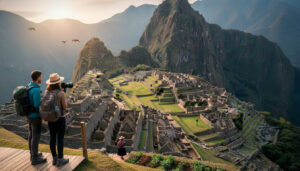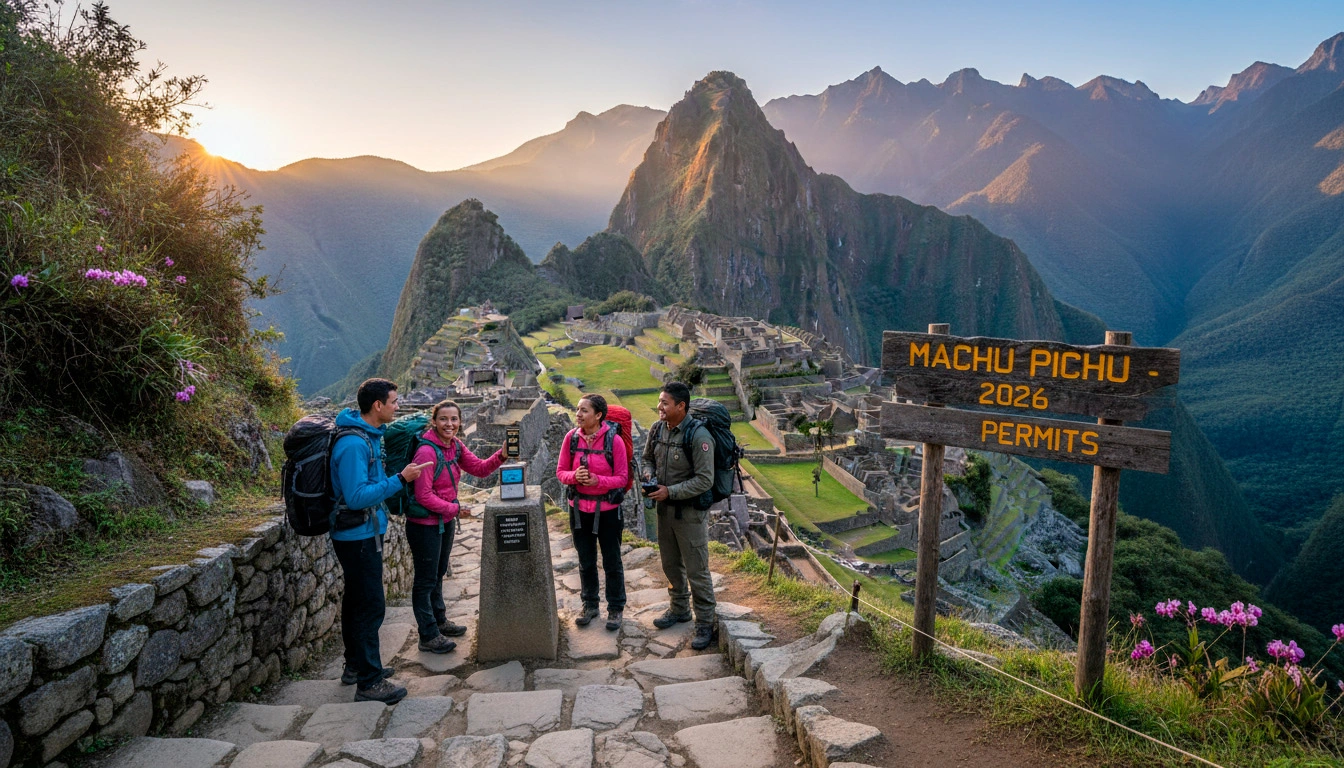
Dreaming of hiking the legendary Inca Trail to Machu Picchu? This remarkable journey takes travelers through breathtaking Andean landscapes, ancient archaeological sites, and sections of the historic trail network that once connected the Inca Empire.
Before planning your trek, however, there is one essential requirement to understand: Inca Trail permits.
Access to the official Inca Trail routes is regulated to protect the archaeological heritage and fragile natural environment of the Machu Picchu Historic Sanctuary. Entry is subject to route-specific capacity limits, authorized procedures, and availability for your preferred travel dates.
Whether you’re interested in the classic multi-day trek or a shorter Inca Trail experience, understanding how permits work can help you plan ahead and avoid unnecessary complications.
In this guide, you’ll learn how Inca Trail permits are managed, how to check availability, when to begin planning, and what to consider when booking an organized trek to Machu Picchu.
At Trip Peru, our local travel specialists can help you explore Inca Trail travel options and coordinate a personalized Peru journey around your preferred dates, interests, and level of comfort.
What Are Inca Trail Permits and Why Are They Required?
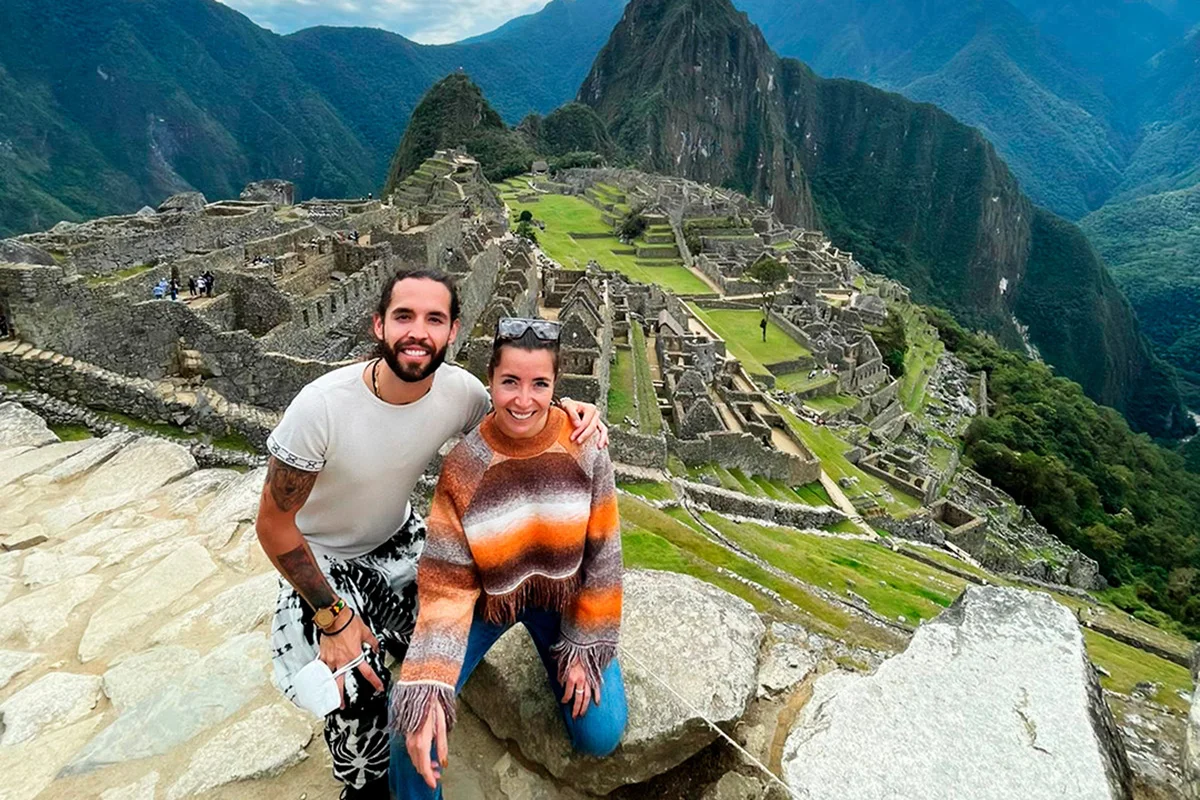
Inca Trail permits are official authorizations required to access designated routes within the historic Inca Trail network leading toward Machu Picchu.
The permit system helps regulate visitor numbers, protect archaeological sites, and reduce environmental impacts along these culturally significant routes.
Daily entry capacity depends on the specific route. Under the regulations established by Peru’s Ministry of Culture, routes 01–04 have a capacity of 500 users per day, while route 05, associated with the km 104 access, has a capacity of 250 users per day. Route 06 has a separate capacity limit of 100 users per day.
These figures refer to regulated access capacity and should not be interpreted as the number of tourist permits available for purchase.
Permits and entry arrangements are linked to specific visitor information, routes, and dates. Booking conditions and availability must be confirmed through the applicable official procedures.
Because the number of authorized entries is limited, travelers planning the Inca Trail should check availability before finalizing flights, accommodation, or other non-refundable travel arrangements.
For a comfortable, well-organized experience, it is advisable to coordinate your trek with a qualified travel operator who can explain the relevant requirements and help arrange the necessary services.
How to Book Inca Trail Permits
Booking Inca Trail permits requires careful planning because access to the official trail network is regulated, and the number of available entries depends on the route and travel date.
For an organized Inca Trail trek, travelers should coordinate their arrangements with an authorized tour operator who can explain the applicable booking procedures and organize the necessary trekking services.
Step 1: Choose Your Inca Trail Route
Start by deciding which trekking experience best matches your interests, fitness level, and available time.
The Classic Inca Trail is a multi-day trekking experience that passes through remarkable Andean landscapes and archaeological sites before reaching Machu Picchu.
The Short Inca Trail offers an alternative for travelers who want to experience part of the historic trail network without completing the longer trek.
Each route has its own access arrangements, capacity restrictions, and operational requirements.
Step 2: Select Your Preferred Travel Dates
Choose your preferred trekking dates and consider alternative departures if your schedule allows.
Permits are associated with specific dates and routes, so availability should be checked before confirming other non-refundable travel arrangements.
Popular trekking periods may have limited availability, making advance planning particularly important.
Step 3: Check Availability with an Authorized Operator
Contact a qualified Inca Trail operator to review the available options for your preferred dates and route.
Your operator can explain the applicable booking procedure, confirm the services offered, and help you understand the requirements before proceeding.
At Trip Peru, our travel specialists can assist with planning an organized Inca Trail experience and coordinating the journey with the rest of your Peru itinerary.
Step 4: Provide Accurate Traveler Information
The booking process requires accurate identification details for each traveler, according to the official requirements in effect.
Before submitting your information, verify that your name and identification details match the document you will use for travel.
Any corrections, changes, or cancellations are subject to the applicable ticket conditions and official procedures.
Step 5: Confirm Your Booking and Trekking Arrangements
Once the required availability has been verified and the official purchase process completed, your operator can confirm the arrangements included in your trekking program.
Before making your final payment, review the itinerary, entrance arrangements, guiding services, transportation, accommodation or camping arrangements, and cancellation conditions.
Important: An itinerary proposal or initial availability inquiry does not guarantee that an Inca Trail permit has been secured. Confirmation depends on successful completion of the applicable official purchase process.
How to Check Inca Trail Permit Availability
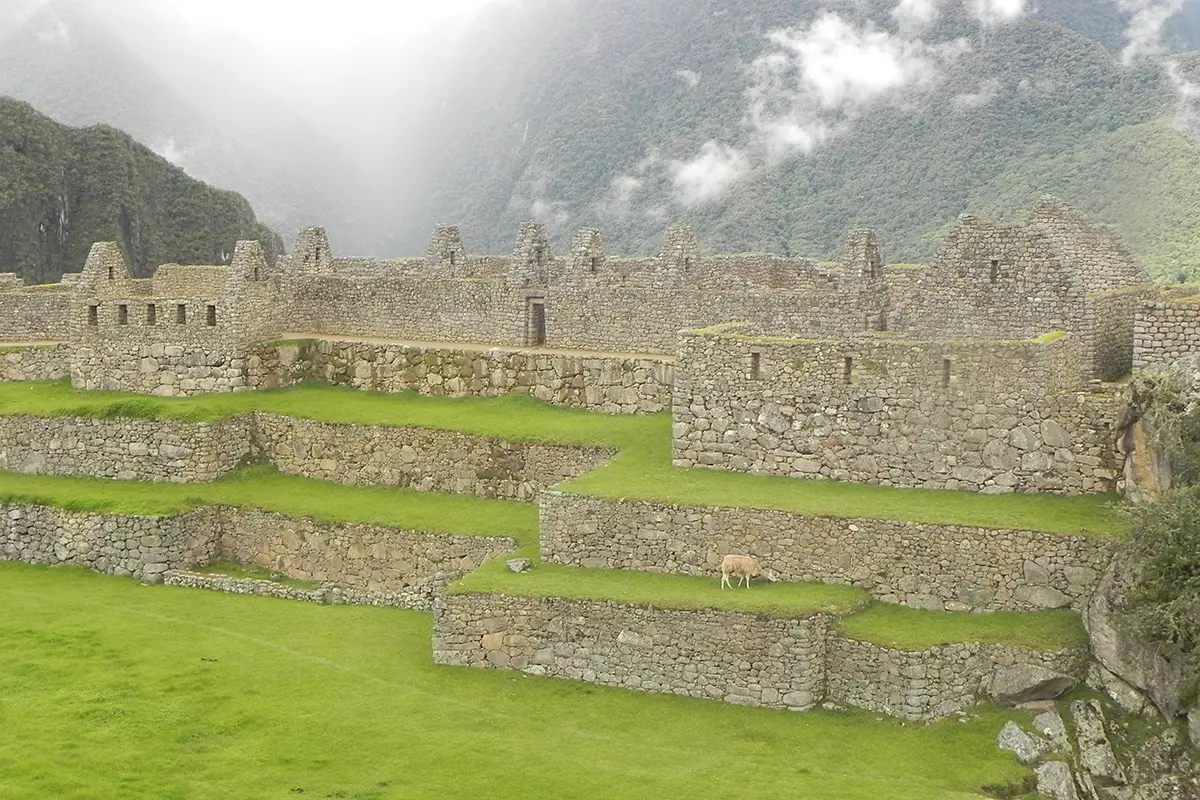
Inca Trail permit availability depends on the official entry capacity, the selected route, and the number of places remaining for your preferred trekking date.
Because access is limited, availability may vary considerably throughout the year. Popular dates can be especially competitive, but the number of available places should always be verified rather than assumed.
Where Can You Check Inca Trail Permit Availability?
Peru’s Ministry of Culture manages official access arrangements through its authorized systems, including the Tu Boleto platform.
Travelers planning an organized Inca Trail trek can also contact an authorized operator to request information about available dates, suitable routes, and the applicable booking process.
Official platform information and operator confirmation should be used when evaluating availability for a specific departure.
When Should You Book Inca Trail Permits?
It is advisable to begin planning several months before your intended trekking dates, particularly if you wish to travel during popular periods.
However, official ticket release dates and booking procedures can change from year to year.
Before organizing a future trek, confirm when the relevant permits become available and which purchase conditions apply.
What If Inca Trail Permits Are Sold Out?
If permits are unavailable for your preferred dates, consider exploring alternative departure dates or checking whether another officially authorized route suits your interests.
Depending on your travel preferences, you may also consider alternative trekking experiences in the Cusco region or a journey combining the Sacred Valley and Machu Picchu without hiking the Inca Trail.
These alternatives have different itineraries and access requirements, so their availability must be checked separately.
Can Trip Peru Help You Plan Your Inca Trail Trek?
Yes. Trip Peru can help you explore organized trekking options, assess suitable itineraries, and coordinate your visit to Cusco and Machu Picchu.
Our travel specialists can discuss your preferred dates, trekking experience, accommodation preferences, and the additional destinations you would like to include in your Peru journey.
Contact our local team before finalizing your travel arrangements so we can help you evaluate the available options and plan your experience.
Classic vs. Short Inca Trail: Which Trek Should You Choose?
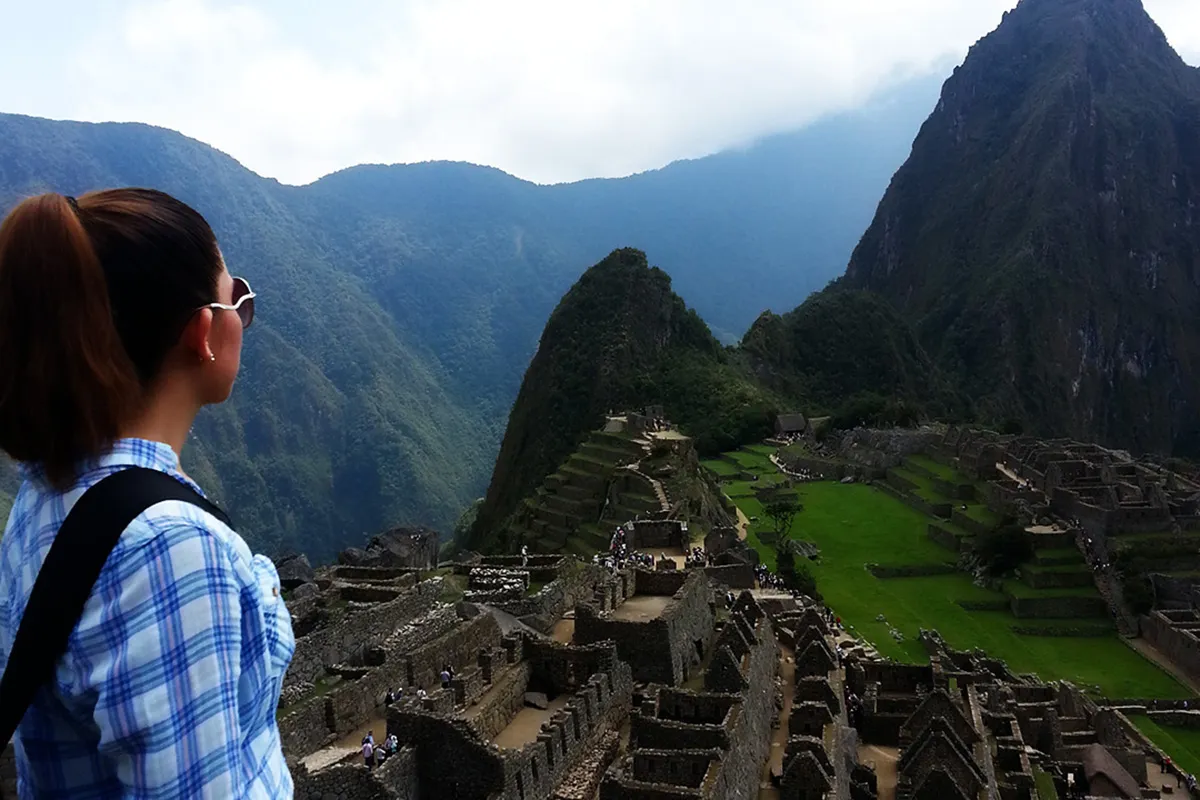
Travelers planning an Inca Trail adventure to Machu Picchu can choose between different trekking experiences, depending on their available time, fitness level, and preferred travel style.
Two popular options are the Classic Inca Trail and the Short Inca Trail. Both offer opportunities to discover remarkable Andean landscapes and archaeological heritage, but they differ in duration, physical demands, and travel arrangements.
Classic Inca Trail: The Traditional Multi-Day Trek
The Classic Inca Trail is commonly offered as a four-day, three-night trekking experience that follows historic pathways through mountain landscapes, cloud forests, and archaeological sites before reaching Machu Picchu.
This journey is ideal for travelers who want a more immersive hiking experience and are comfortable with several consecutive days of trekking.
The itinerary typically involves camping, mountain ascents and descents, and guided exploration along the route.
Good physical preparation and appropriate acclimatization are important considerations.
Short Inca Trail: A More Accessible Alternative
The Short Inca Trail is commonly offered as a two-day experience, combining a day of hiking along a designated section of the historic trail network with an overnight stay in the Machu Picchu area.
Depending on the authorized access route and current operating conditions, the experience may include archaeological sites such as Wiñay Wayna and the approach toward Machu Picchu through Intipunku, the Sun Gate.
Although shorter than the classic trek, this experience still requires suitable fitness, comfortable hiking footwear, and preparation for mountain conditions.
The precise route and entry point should always be confirmed before booking.
Which Inca Trail Experience Is Right for You?
Choose the Classic Inca Trail if you enjoy multi-day hiking, want a more immersive trekking experience, and have sufficient time to acclimatize and complete the journey.
Consider the Short Inca Trail if you prefer a shorter hike while still experiencing part of the historic trail network.
Both options are subject to official permits, route-specific capacity limits, and operating conditions.
At Trip Peru, our travel specialists can help you evaluate the available trekking options and combine your chosen experience with a personalized journey through Cusco, the Sacred Valley, and Machu Picchu.
Essential Tips for Planning Your Inca Trail Trek
A successful Inca Trail experience involves more than obtaining permits. Proper preparation, realistic expectations, and careful travel planning can make your journey safer, more comfortable, and more rewarding.
Book Early and Keep Your Travel Dates Flexible
Begin researching permits and trekking options well before your preferred departure.
Because official entry capacity is limited, having alternative dates may improve your chances of finding a suitable option.
Avoid confirming non-refundable arrangements until the relevant trekking availability has been verified.
Allow Time to Acclimatize
Cusco is located at approximately 3,400 meters (11,150 feet) above sea level, and sections of the Classic Inca Trail reach considerably higher elevations.
Allowing time to adjust to the altitude before beginning a demanding trek is important.
Discuss any health concerns or previous altitude-related difficulties with a qualified healthcare professional before traveling.
Prepare for the Physical Demands
The Classic Inca Trail involves sustained hiking, uneven stone paths, steep steps, and substantial elevation changes.
Build your fitness gradually before departure, focusing on walking endurance, uphill hiking, and suitable strength exercises.
The Short Inca Trail is less time-consuming but should not be considered an effortless walk.
Pack for Changing Mountain Weather
Weather conditions can change quickly in the Andes, even during relatively dry periods.
Useful equipment includes comfortable hiking boots, moisture-wicking clothing, waterproof layers, sun protection, and a suitable daypack.
Check the equipment requirements and baggage allowances provided by your trekking operator.
Understand Seasonal Conditions and Trail Closures
The months from approximately May to September generally offer drier conditions in the Cusco region, although rainfall is still possible.
Rainier periods can bring slippery paths, reduced visibility, and itinerary adjustments.
The Inca Trail network has historically closed during February for conservation and maintenance. Confirm official closure dates and route conditions for your specific travel year before booking.
Choose a Responsible Trekking Operator
Select a qualified operator that explains permits, guiding arrangements, equipment, safety procedures, and the services included in your trekking program.
Responsible operations should respect archaeological sites, environmental regulations, and the working conditions of trekking support personnel.
Respect the Trail and Its Cultural Heritage
Follow your guide’s instructions, remain on authorized routes, and observe the regulations established for the protected area.
Avoid leaving litter, disturbing wildlife, or entering restricted archaeological areas.
The Inca Trail is both an extraordinary hiking experience and an important part of Peru’s cultural heritage.
Plan Your Inca Trail Journey with Trip Peru
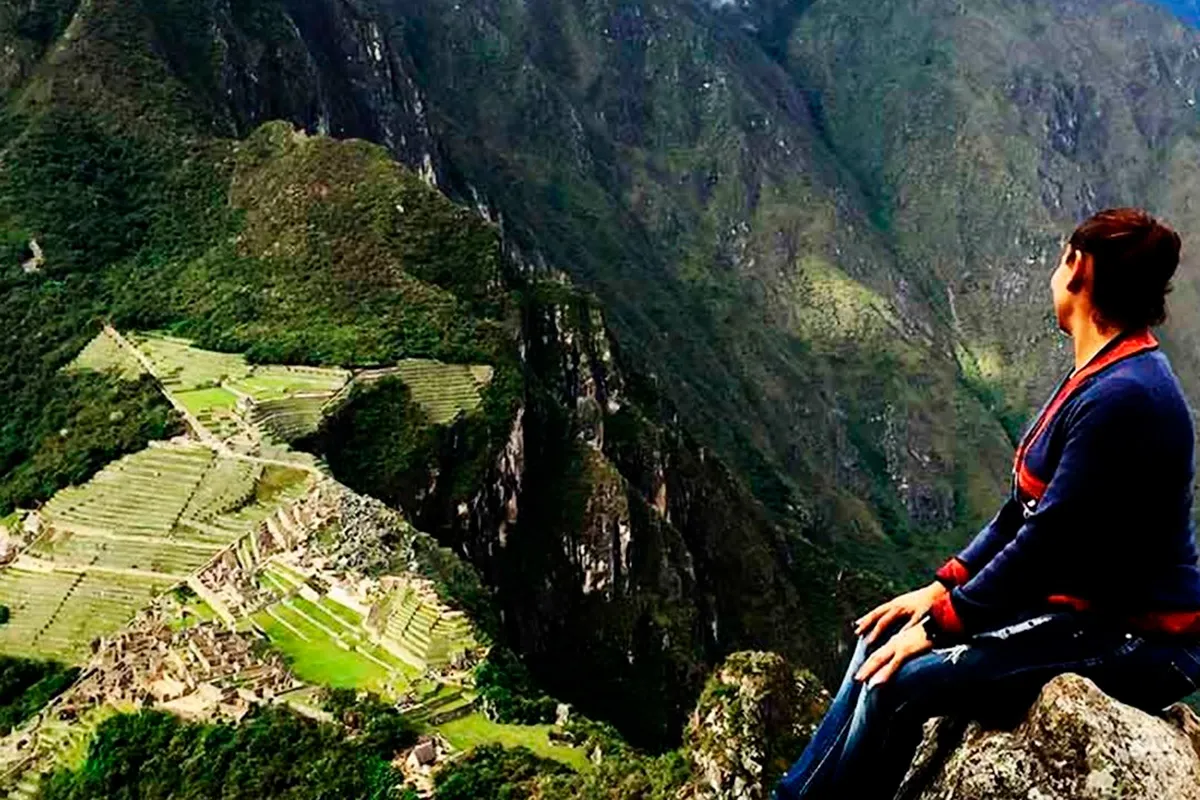
Hiking the Inca Trail to Machu Picchu is more than a trekking adventure. It is an opportunity to discover Peru’s extraordinary Andean landscapes, ancient archaeological sites, and remarkable cultural heritage.
Whether you’re considering the Classic Inca Trail or a shorter trekking experience, careful planning is essential. Choosing the right route, checking official permit availability, and coordinating your travel arrangements can make a meaningful difference to your journey.
At Trip Peru, we bring more than 20 years of local travel experience to the planning of personalized journeys through Peru.
Our travel specialists can help you explore suitable Inca Trail options, understand the applicable permit requirements, and coordinate your trekking experience with private visits to Cusco, the Sacred Valley, and other destinations.
Your journey to Machu Picchu deserves thoughtful planning and experienced local guidance.
Share your preferred travel dates, number of travelers, and trekking interests with our specialists so we can help you evaluate the available options and design your Peru journey.
Inca Trail permits are subject to official availability and are not guaranteed until the applicable booking process has been completed.
Your Inca Trail Adventure Starts Here
Explore trekking options and plan your Machu Picchu journey with experienced local travel specialists.