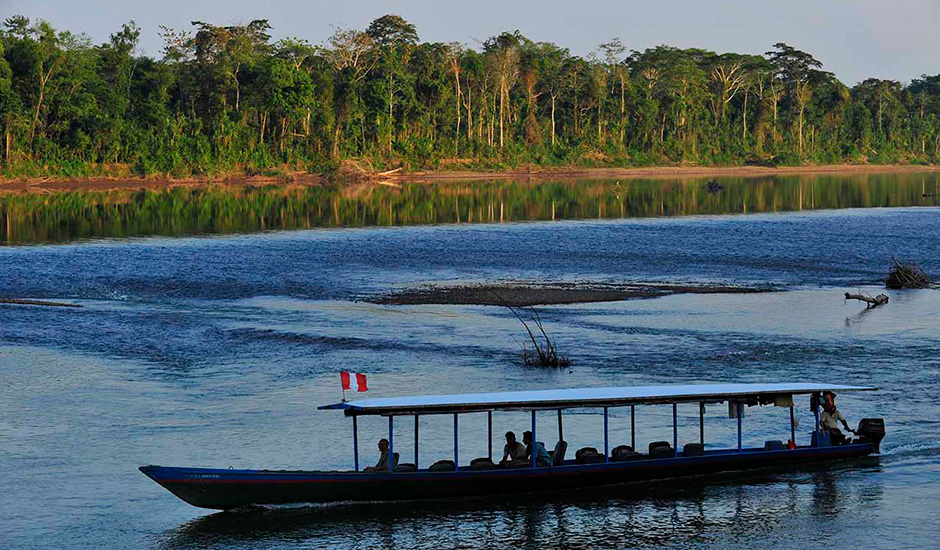
The Peruvian Amazon rainforest is one of South America’s most extraordinary natural regions, home to remarkable biodiversity, vast tropical forests, winding rivers, and fascinating cultural traditions.
Covering a significant portion of Peru, the Amazon encompasses diverse landscapes, from the rainforest ecosystems of Tambopata and Manu to the extensive river networks surrounding Iquitos and the Pacaya Samiria National Reserve.
Travelers exploring the Peru Amazon rainforest can discover colorful tropical birds, monkeys, river wildlife, and extraordinary plant diversity while learning about the ecological and cultural importance of this unique environment.
In this guide, we’ll explore the Peruvian Amazon’s most remarkable destinations, wildlife, cultural experiences, and essential travel considerations to help you discover one of Peru’s greatest natural treasures.
Where Is the Peruvian Amazon Located?
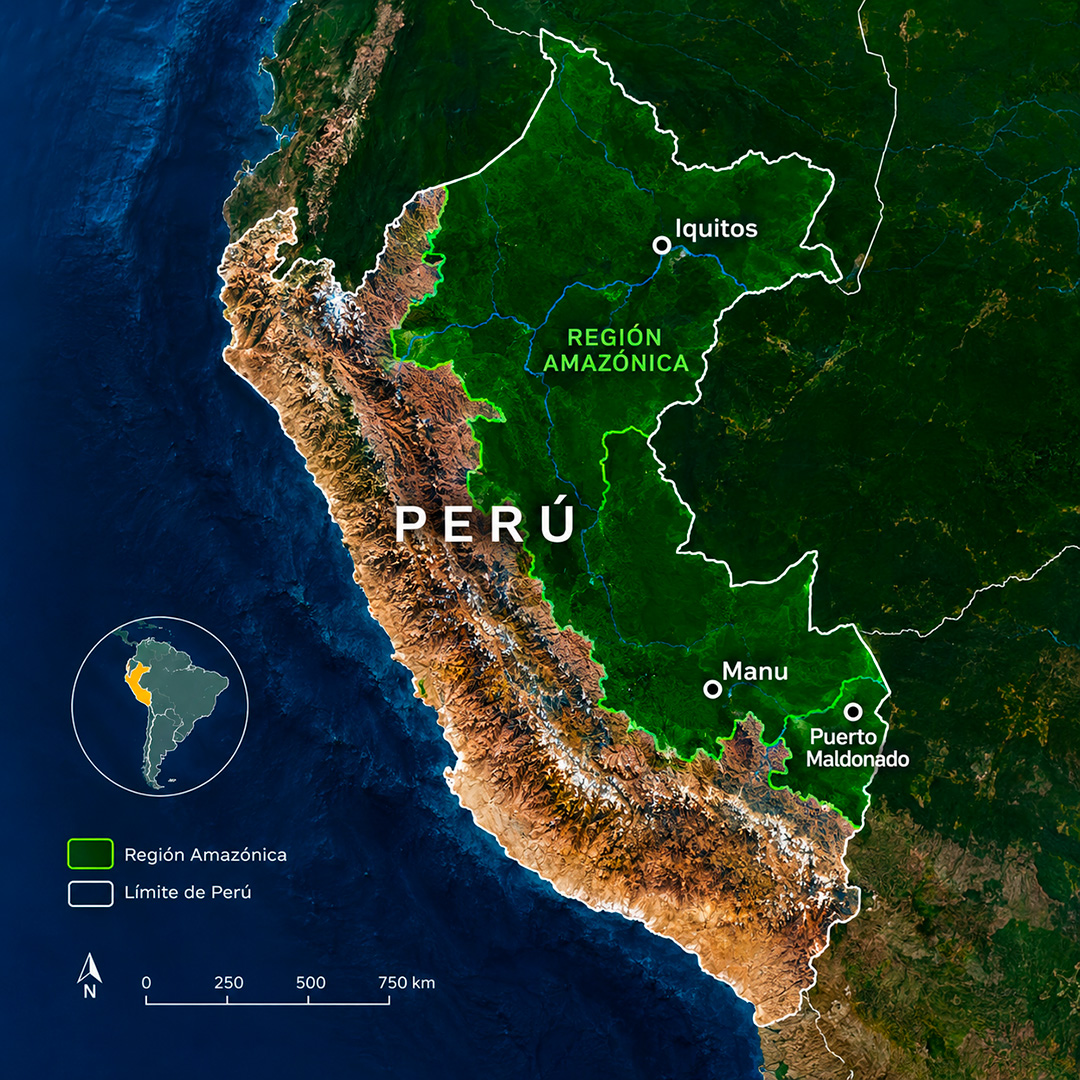
The Peruvian Amazon rainforest extends across eastern Peru, covering a vast area between the eastern slopes of the Andes Mountains and the Amazon Basin.
This extraordinary region encompasses tropical forests, extensive river systems, protected natural reserves, and diverse ecosystems that support remarkable wildlife and plant species.
The Peruvian Amazon can be explored through several important destinations:
- Iquitos: Located in northeastern Peru, Iquitos is a major gateway to the northern Amazon and its extensive waterways.
- Puerto Maldonado and Tambopata: Situated in southeastern Peru, these destinations provide access to biodiversity-rich rainforests and protected natural areas.
- Manu National Park: Extending from the Andean foothills into the Amazon Basin, Manu is internationally recognized for its remarkable biodiversity and diverse ecosystems.
Although these destinations are part of the same Amazonian region, their landscapes, accessibility, wildlife experiences, and travel conditions can differ significantly.
Understanding these differences helps travelers appreciate the extraordinary geographical and ecological diversity of the Peruvian Amazon.
Wildlife and Biodiversity in the Peruvian Amazon
The Peruvian Amazon rainforest is one of the world’s most remarkable regions for biodiversity, supporting an extraordinary variety of plants, mammals, birds, reptiles, amphibians, and aquatic wildlife.
Its tropical forests, rivers, wetlands, and protected natural areas provide habitats for countless species, making the region an important destination for nature enthusiasts, wildlife photographers, and travelers interested in conservation.
From the dense forests of Tambopata and Manu to the river ecosystems surrounding Iquitos, each part of the Peruvian Amazon offers unique opportunities to appreciate the natural world.
Mammals of the Peruvian Amazon
The rainforest is home to fascinating mammal species, including several types of monkeys, sloths, giant river otters, tapirs, and jaguars.
Monkeys are among the wildlife that travelers may observe during guided forest walks or boat excursions, depending on the destination and conditions.
More elusive species, such as jaguars and tapirs, are difficult to encounter in the wild. Their presence nevertheless highlights the ecological importance of protecting Amazonian habitats.
Birds and Tropical Rainforest Wildlife
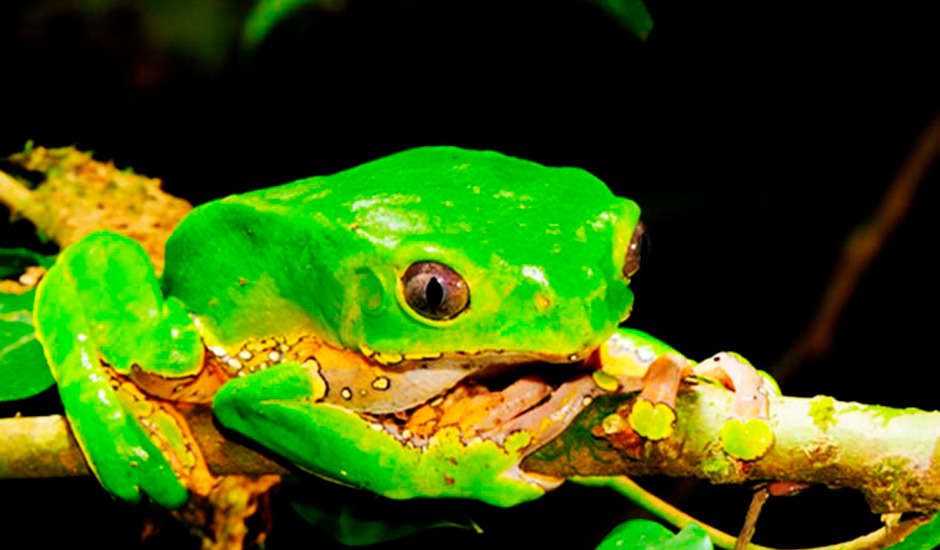
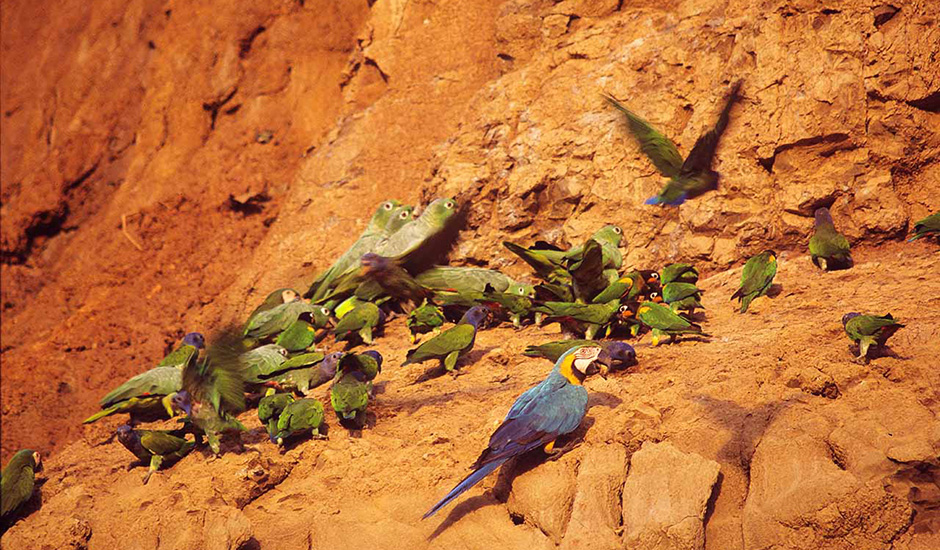
The Peruvian Amazon is an exceptional destination for birdwatching, with colorful macaws, parrots, toucans, kingfishers, and many other tropical bird species.
In certain areas of southeastern Peru, macaws and parrots gather at natural clay licks, providing remarkable opportunities for wildlife observation.
Experienced naturalist guides can help travelers identify bird species, understand their behavior, and appreciate the extraordinary diversity of rainforest ecosystems.
Rivers, Wetlands, and Aquatic Wildlife
The rivers and wetlands of the Peruvian Amazon support a fascinating variety of aquatic wildlife.
Depending on the region, travelers may encounter caimans, turtles, river dolphins, and numerous freshwater fish species.
The northern Amazon, particularly the river systems accessible from Iquitos, offers distinctive opportunities to explore aquatic habitats and seasonally flooded forests.
Responsible boat excursions provide a way to appreciate these environments while minimizing disturbance to wildlife.
Conservation and Responsible Wildlife Experiences
The extraordinary biodiversity of the Peruvian Amazon depends on protecting its forests, waterways, and natural habitats.
Protected areas such as Manu National Park, Tambopata National Reserve, and Pacaya Samiria National Reserve play important roles in conserving Amazonian ecosystems.
Travelers can contribute to responsible tourism by choosing experienced local guides, respecting wildlife observation guidelines, and supporting tourism initiatives that value conservation and local communities.
Wildlife encounters are never guaranteed, but exploring the rainforest responsibly can be one of the most rewarding experiences of visiting Peru.
Discover Iquitos: Gateway to the Northern Peruvian Amazon
Located in northeastern Peru, Iquitos is one of the main gateways to the Peruvian Amazon rainforest, offering access to vast tropical forests, winding rivers, and some of the country’s most remarkable natural environments.
Surrounded by Amazonian waterways, Iquitos is accessible from other major Peruvian cities primarily by air, while river transportation connects it with numerous communities and destinations throughout the region.
Beyond its importance as a transportation hub, Iquitos offers a fascinating combination of Amazonian culture, historic architecture, regional cuisine, and access to extraordinary rainforest ecosystems.
Travelers can explore nearby rivers, discover the natural beauty of protected areas such as Pacaya Samiria, experience carefully organized wildlife excursions, and learn about the traditions of participating local communities.
For those planning a journey through Peru, Iquitos offers an opportunity to experience a different side of the country, contrasting the tropical landscapes of the Amazon with the mountains and archaeological wonders of the Andes.
Top Experiences in Iquitos and Northern Amazon
Pacaya Samiria National Reserve: Exploring the Flooded Rainforest
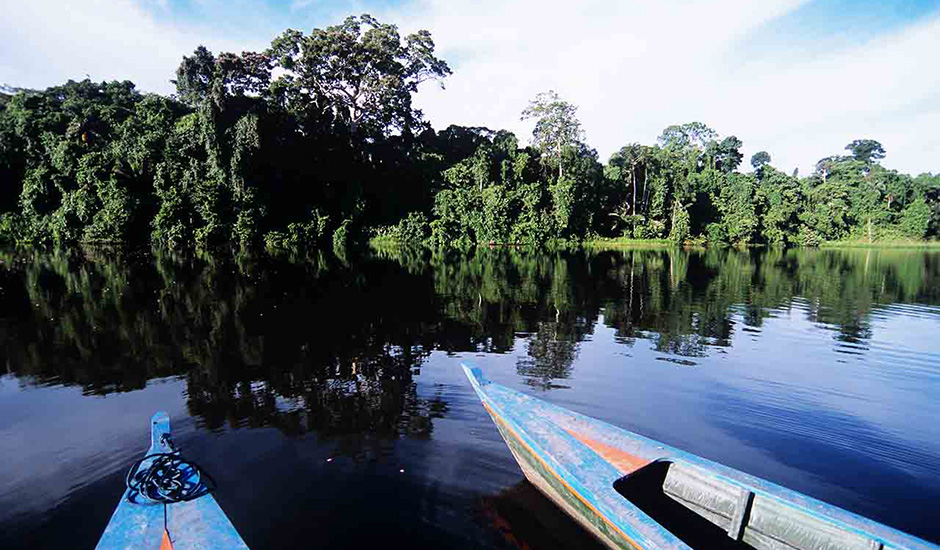
Pacaya Samiria National Reserve is one of Peru’s most remarkable protected natural areas, covering approximately 2.08 million hectares in the Loreto region.
Known for its extensive river systems, tropical wetlands, and seasonally flooded forests, the reserve protects extraordinary biodiversity and offers unique opportunities to explore the northern Peruvian Amazon.
Depending on the authorized route and seasonal conditions, visitors may enjoy guided boat excursions, birdwatching, rainforest exploration, and opportunities to observe wildlife such as monkeys, caimans, turtles, and river dolphins.
The reserve is also home to local communities involved in conservation initiatives and sustainable tourism activities.
For nature enthusiasts, Pacaya Samiria provides a fascinating introduction to the ecological importance of the Amazon rainforest and the relationship between its waterways, forests, wildlife, and local communities.
Visits must be organized through tourism operators authorized by SERNANP, with activities and access determined by the reserve’s regulations and operating conditions.
Explore Belén: Iquitos’ Riverside Neighborhood
Belén is one of Iquitos’ most distinctive neighborhoods, known for its lively traditional market, riverside communities, and houses adapted to seasonal changes in water levels.
Located near the Itaya River, the neighborhood offers a fascinating introduction to everyday life in the Peruvian Amazon.
During periods of high water, parts of Lower Belén become accessible by canoe, while other areas remain connected by streets and walkways.
Visitors can explore the traditional market, discover regional fruits and ingredients, and learn how local communities have adapted their homes and daily activities to the changing river environment.
A visit with a knowledgeable local guide can provide valuable cultural context while encouraging respectful interaction with residents.
Other Natural Attractions Near Iquitos
Quistococha Tourist Park
Located just outside Iquitos along the Iquitos–Nauta road, Quistococha Tourist Park is a recreational complex surrounded by tropical vegetation and a natural lagoon.
Visitors can enjoy views of the lagoon, walk through designated green areas, and discover a quieter environment away from the city center.
The park also contains captive wildlife exhibits. Travelers interested primarily in observing Amazonian animals in their natural habitat may prefer responsibly guided excursions in protected rainforest areas.
Moronacocha Lagoon
Situated near the urban area of Iquitos, Moronacocha Lagoon offers a glimpse into the relationship between the city and its surrounding Amazonian waterways.
Its landscape changes throughout the year as water levels rise and fall with seasonal conditions.
Although it is not a substitute for exploring the deeper rainforest, the lagoon provides an opportunity to appreciate the natural environment and local character of Iquitos.
Amazon River Cruises: Exploring the Rainforest in Comfort
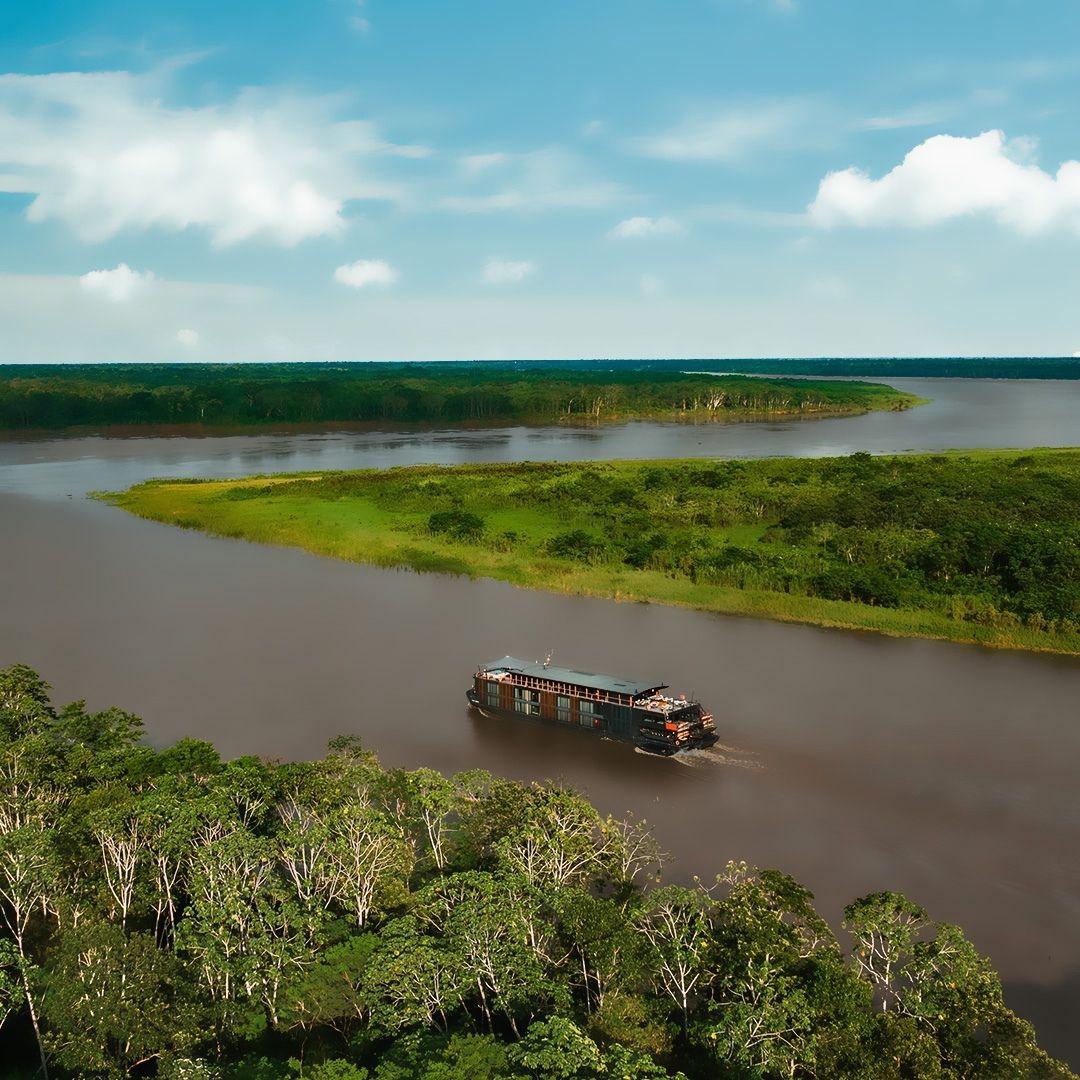
Amazon River cruises offer a distinctive way to explore the waterways and tropical landscapes of northern Peru.
Depending on the vessel and itinerary, travelers may enjoy comfortable accommodations, guided wildlife observation, rainforest excursions, and opportunities to learn about Amazonian ecosystems.
River journeys can provide access to remote landscapes where forests, waterways, and wildlife create an extraordinary natural environment.
For travelers who appreciate comfort and immersive experiences, selected small-ship cruises can combine attentive hospitality with carefully organized activities led by knowledgeable local guides.
Cruise routes, available excursions, and wildlife-viewing opportunities vary by operator, season, and river conditions.
Sucusari River Canopy Walkway: Discovering the Rainforest from Above
The Amazon rainforest is remarkable not only at ground level but also high among the treetops.
Near the Sucusari River, the Amazon Canopy Walkway offers visitors a different perspective of the tropical forest through a network of suspended walkways and platforms.
Extending approximately 500 meters and reaching heights of more than 35 meters, the walkway provides opportunities to observe the forest canopy, surrounding vegetation, and, when conditions allow, tropical birds and other wildlife.
This experience offers a fascinating introduction to the rainforest’s vertical structure and the ecological importance of its upper layers.
Access is arranged through participating lodge programs and designated excursions, subject to availability and operating conditions.
Iquitos Climate & Best Time to Visit
Iquitos has a tropical rainforest climate characterized by warm temperatures, high humidity, and frequent rainfall throughout the year.
Located at approximately 100 meters (330 feet) above sea level, the city experiences relatively consistent temperatures, although rainfall and river levels vary considerably by season.
Temperature and Weather in Iquitos
Daytime temperatures commonly range from approximately 28°C to 33°C (82°F to 91°F), with warm and humid conditions throughout much of the year.
Rain showers can occur in any month, making lightweight, breathable clothing and waterproof protection useful for travelers.
Higher-Water Season: Approximately March to May
River levels in the northern Peruvian Amazon often rise during the first part of the year, with high-water conditions commonly occurring around March through May, although the timing varies.
These conditions can provide opportunities to explore flooded forest environments by boat in areas where excursions are permitted.
Lower-Water Season: Approximately August to October
During the relatively lower-water period, some forest trails and riverbanks become more accessible, depending on the destination and local conditions.
This can be an appealing period for visitors interested in rainforest walks and exploring different terrestrial habitats.
When Is the Best Time to Visit Iquitos?
Iquitos can be visited throughout the year, and the ideal season depends on your travel interests.
Higher-water periods may offer distinctive river-based exploration, while lower-water conditions can provide opportunities for guided forest walks.
Because rainfall, river levels, and access conditions vary, travelers should confirm the seasonal arrangements for their chosen lodge, cruise, or rainforest destination before traveling.
Amazonian Cuisine and Cultural Heritage in Iquitos

Beyond its extraordinary rainforest landscapes, Iquitos offers travelers an opportunity to discover the rich cultural identity of the northern Peruvian Amazon.
The city’s traditional cuisine, historical architecture, and regional celebrations reflect the influence of Indigenous traditions, local ingredients, and centuries of cultural exchange.
Traditional Amazonian Food in Iquitos
Amazonian cuisine is known for its distinctive ingredients, tropical fruits, freshwater fish, plantains, and traditional cooking techniques.
Visitors to Iquitos can discover a variety of regional specialties, including:
- Juane: A traditional dish made with seasoned rice, chicken, and egg, wrapped in aromatic bijao leaves.
- Tacacho con Cecina: Mashed roasted plantains served with smoked or cured pork, one of the region’s most recognizable dishes.
- Patarashca: Freshwater fish seasoned with local herbs and spices, wrapped in bijao leaves and grilled.
- Inchicapi: A traditional chicken soup prepared with peanuts, cassava, and regional herbs.
- Chonta Salad: A refreshing preparation made with tender palm hearts and other fresh ingredients.
Tropical fruits also play an important role in local cuisine, with refreshing drinks prepared from ingredients such as aguaje, camu camu, and cocona.
Exploring Iquitos’ gastronomy offers travelers a memorable way to connect with the region’s culinary traditions and cultural heritage.
The Rubber Boom Legacy and Historic Architecture
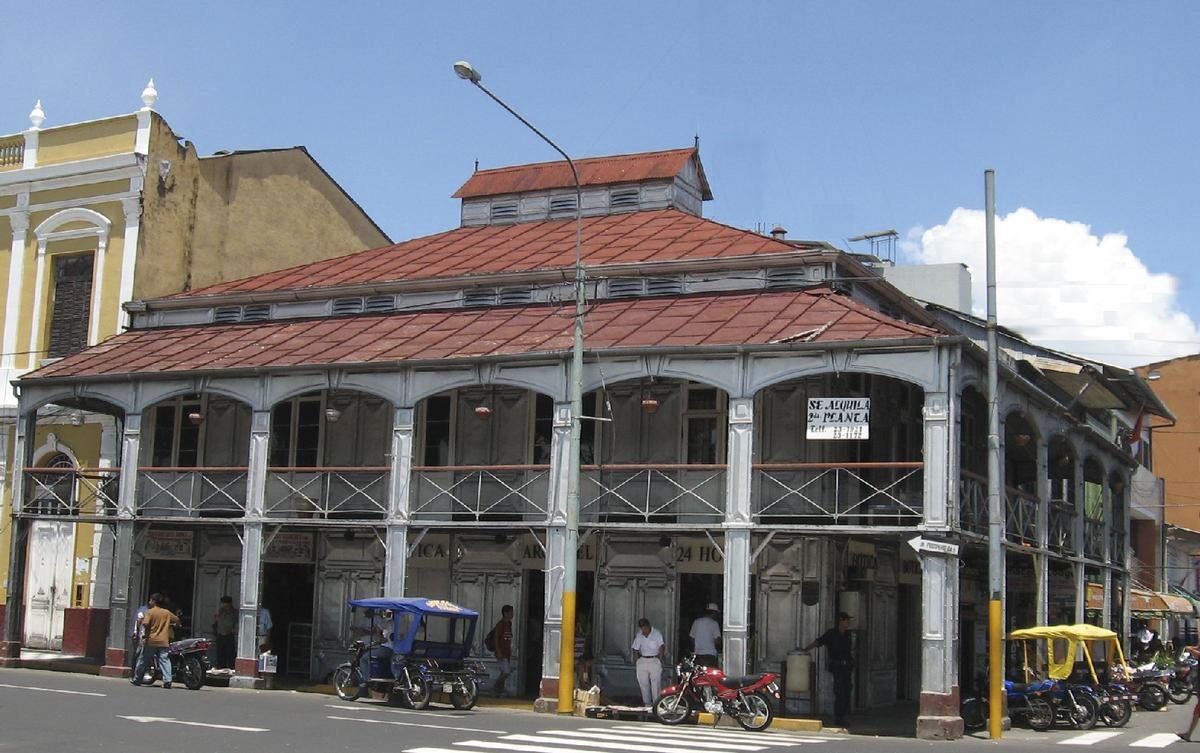
Iquitos experienced significant economic and architectural changes during the Amazon rubber boom of the late nineteenth and early twentieth centuries.
This period left a distinctive collection of historic buildings, many featuring European architectural influences, decorative tiles, and elaborate facades.
One of the city’s most recognizable landmarks is the Casa de Fierro, an iron building located near Iquitos’ main square.
Today, exploring the historic center offers visitors an opportunity to learn about this complex period, including its economic expansion and the exploitation experienced by Indigenous communities during the rubber trade.
The architecture of Iquitos provides an important connection between the city’s history, its Amazonian identity, and the social transformations that shaped the region.
Cultural Traditions and Celebrations in Iquitos
The cultural identity of Iquitos is expressed through local festivals, music, gastronomy, and community traditions.
One of the region’s most important celebrations is the Festival of San Juan, traditionally held on June 24.
During this celebration, families and communities gather to enjoy traditional food, music, and festivities that reflect the cultural heritage of the Peruvian Amazon.
For travelers interested in authentic experiences, learning about local celebrations and participating in appropriate community-led cultural activities can provide a deeper understanding of the region.
Festival programs and events vary by year, so visitors should confirm schedules before planning their journey.
Plan Your Peruvian Amazon Journey with Trip Peru
The Peruvian Amazon rainforest is a remarkable destination where extraordinary biodiversity, fascinating cultures, and breathtaking natural landscapes come together.
From the waterways surrounding Iquitos and Pacaya Samiria to the wildlife-rich forests of Tambopata and Manu, each region offers a different perspective on one of South America’s most important ecosystems.
For travelers interested in exploring these destinations, choosing the right itinerary, accommodations, and local experiences can make the journey even more rewarding.
With over 20 years of local expertise, Trip Peru designs private and personalized journeys that combine Peru’s remarkable natural attractions with cultural experiences, knowledgeable local guides, and carefully selected accommodations.
Whether you want to discover the Amazon rainforest or combine it with Cusco, the Sacred Valley, and Machu Picchu, our travel specialists can help you create a journey tailored to your interests and preferred travel pace.
Explore Amazon Jungle Tours in Peru to discover rainforest destinations, wildlife excursions, and personalized travel experiences.
Discover Our Private Peru Tour Packages and start planning your next unforgettable journey.