Peru is a country of extraordinary contrasts, where ancient civilizations, remarkable natural landscapes, and vibrant cultural traditions come together to create unforgettable travel experiences.
From the majestic Andes Mountains and the Amazon rainforest to its world-renowned cuisine and fascinating history, Peru offers countless discoveries for curious travelers.
But beyond famous destinations such as Machu Picchu and Cusco, there are many surprising details that make this South American country truly unique.
In this guide, we’ll explore 10 interesting facts about Peru, including its diverse climates, fascinating traditions, cultural heritage, and natural wonders.
Whether you’re visiting Peru for the first time or planning a personalized journey through several regions, these fascinating facts will help you discover a deeper side of the country.
1. Peru Has Remarkably Diverse Climates and Microclimates
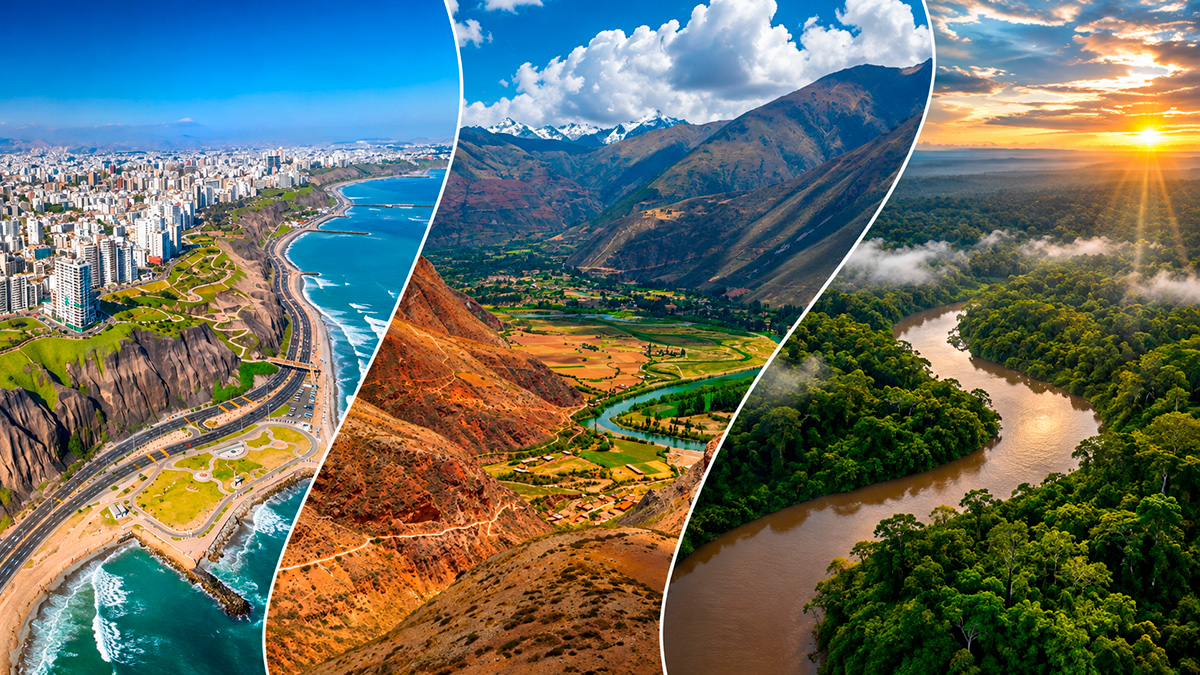
One of the most interesting facts about Peru is its extraordinary climatic diversity. Despite being located in the tropics, the country features coastal deserts, snow-capped Andean mountains, lush cloud forests, and warm Amazonian rainforests.
According to Peru’s National Meteorology and Hydrology Service (SENAMHI), the country has 38 officially classified climate types, reflecting the influence of the Andes Mountains, the Pacific Ocean, and its complex geography.
These different environments also create local variations in temperature, rainfall, and humidity, often described as microclimates.
For travelers, this means that weather conditions can change dramatically between destinations, even during the same trip.
How Does Peru’s Climate Vary by Region?
The Pacific Coast: Destinations such as Lima and Paracas experience relatively dry conditions, although Lima can be cloudy and humid during the cooler months.
The Andes Mountains: Cusco, the Sacred Valley, and Lake Titicaca experience greater temperature variations, with sunny days, cooler nights, and seasonal rainfall.
The Amazon Rainforest: Destinations such as Iquitos and Tambopata are generally warm and humid throughout the year, with rainfall and river conditions varying by season.
Why Does This Matter When Planning a Peru Trip?
Travelers exploring several regions of Peru should prepare for different weather conditions and pack accordingly.
For example, a journey combining Lima, Cusco, Machu Picchu, and the Amazon may involve coastal humidity, cool mountain mornings, and warm tropical afternoons.
Understanding Peru’s climates and microclimates helps travelers choose suitable travel dates, pack appropriate clothing, and enjoy a more comfortable journey through the country.
For a more detailed look at seasonal weather across the country, explore our Best Time to Travel to Peru: A Seasonal Guide.
2. Inca Kola: Peru’s Iconic Golden Soft Drink
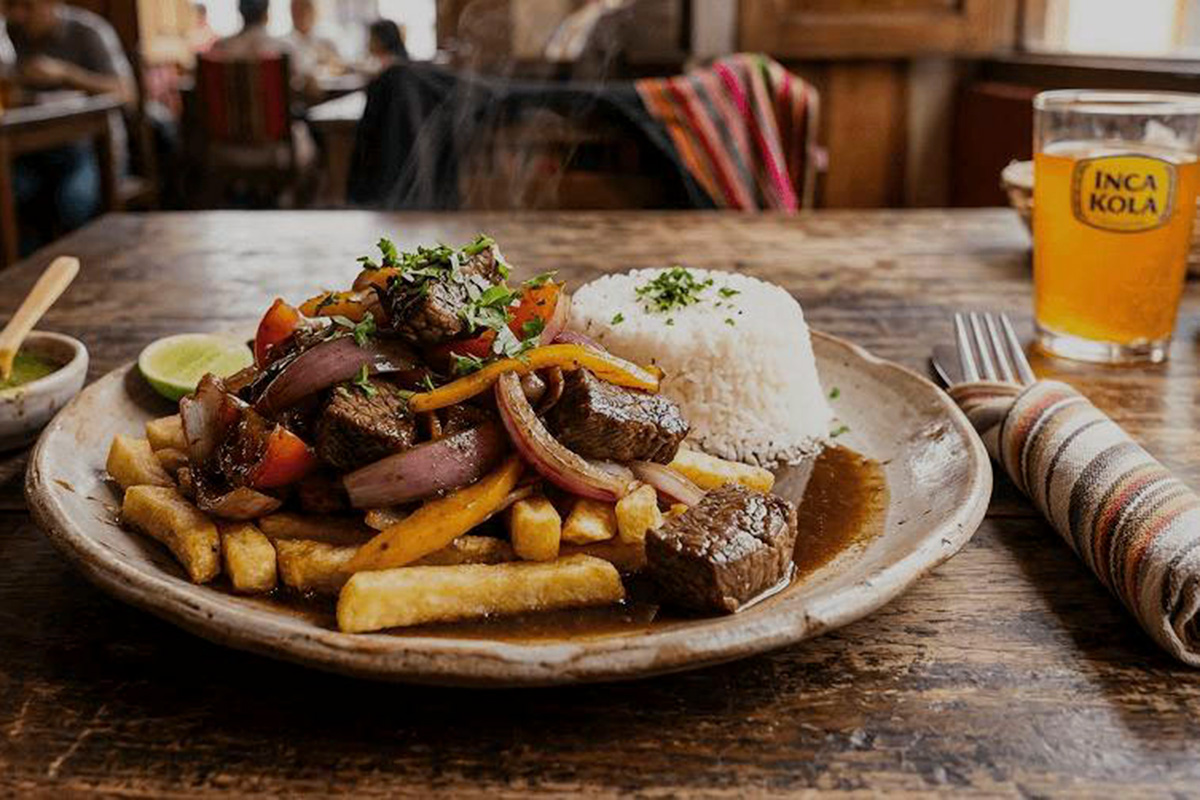
One of the most surprising facts about Peru is its famous golden-colored soft drink, Inca Kola, a beverage that has become an iconic part of Peruvian popular culture.
Introduced in 1935, Inca Kola is known for its distinctive bright yellow color and sweet flavor, often compared by international visitors to bubblegum or cream soda.
Unlike many soft drinks associated with international brands, Inca Kola has developed a strong cultural identity in Peru and is commonly enjoyed alongside traditional Peruvian dishes.
Why Is Inca Kola So Popular in Peru?
Inca Kola is closely associated with Peruvian food culture, particularly the country’s tradition of sharing meals with family and friends.
Travelers visiting local restaurants may encounter this distinctive beverage served alongside dishes such as lomo saltado, pollo a la brasa, and other Peruvian specialties.
For international visitors, trying Inca Kola can be a fun introduction to the everyday flavors and traditions that make Peru unique.
Travel Tip: During your journey through Peru, consider trying Inca Kola with a traditional Peruvian meal. Its unusual flavor is a small but memorable part of discovering the country’s culinary identity.
3. Peru Is Home to One of the Oldest Universities in the Americas
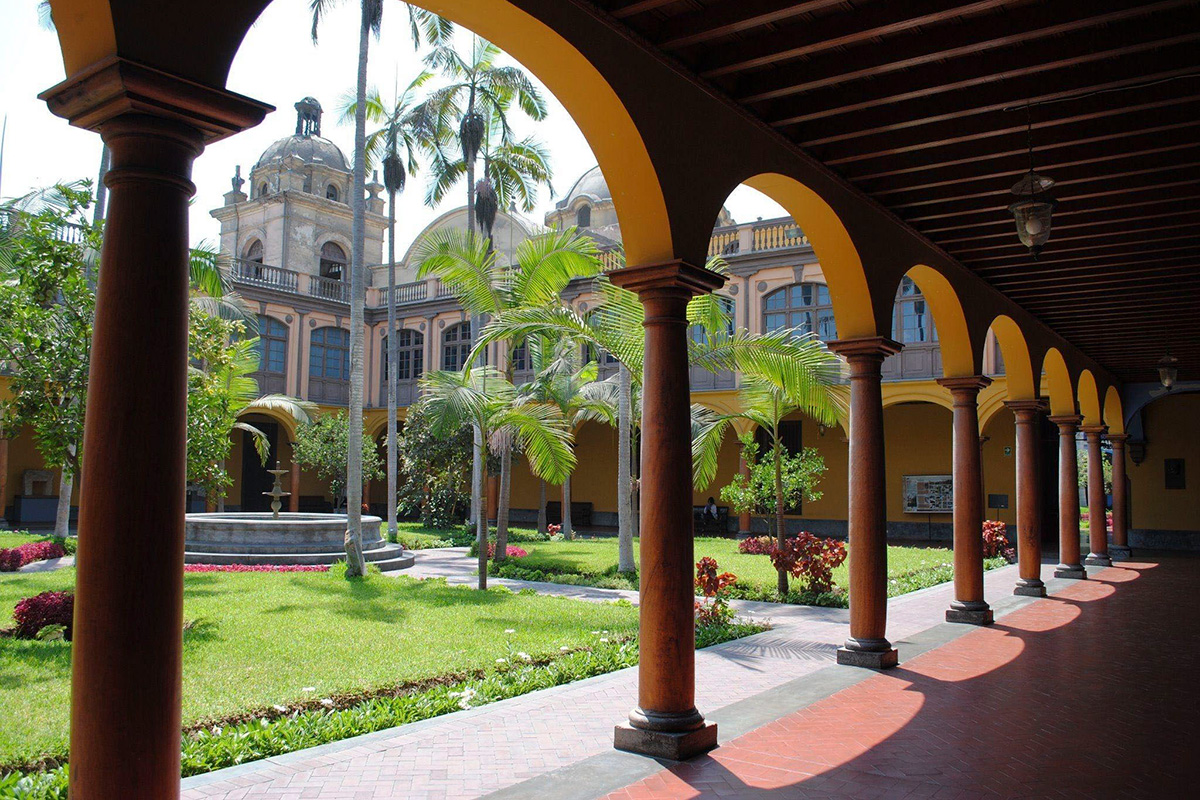
One of the most fascinating historical facts about Peru is that Lima is home to the National University of San Marcos (Universidad Nacional Mayor de San Marcos), one of the oldest universities in the Americas.
Founded on May 12, 1551, by royal decree during the Spanish colonial period, the university has played an important role in the development of education, science, literature, and intellectual life in Peru.
San Marcos is widely recognized for its centuries-long tradition of continuous academic activity, earning it the title Dean of the Americas.
A Remarkable Part of Lima’s History
The university’s historical legacy reflects Lima’s importance as a center of education and culture during the colonial period.
One of its most notable historic landmarks is the Casona de San Marcos, a remarkable architectural complex located in central Lima.
Today, the university continues to contribute to Peru’s academic and cultural development.
Travel Tip: Travelers interested in history and architecture can include Lima’s historic center in their itinerary to discover colonial landmarks, museums, and cultural institutions that reveal different chapters of Peru’s past.
4. Peru Was the Heart of the Inca Empire
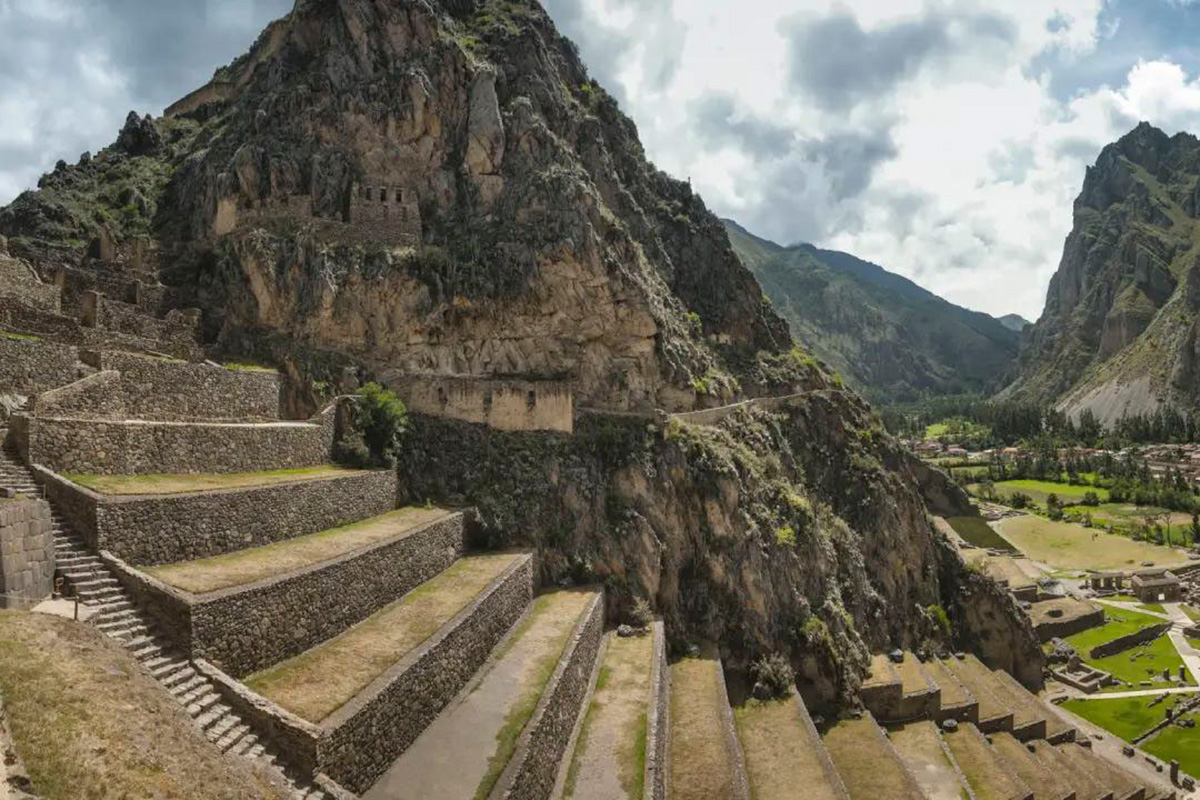
One of the most fascinating facts about Peru is that Cusco was once the capital of the Inca Empire, known as Tawantinsuyu, one of the most powerful civilizations in pre-Columbian South America.
During the 15th and early 16th centuries, the Inca Empire expanded across much of the Andes, connecting territories through an extensive network of roads, administrative centers, and remarkable agricultural and architectural achievements.
Under the leadership of the Inca ruler Pachacuti, Cusco developed into an important political, religious, and cultural center.
Discovering the Legacy of the Incas
Today, travelers can explore extraordinary archaeological sites that reveal the engineering skills, cultural traditions, and architectural achievements of the Inca civilization.
Some of the most remarkable destinations include:
- Cusco: The former imperial capital, where Inca stonework and colonial architecture coexist.
- The Sacred Valley: A region filled with traditional Andean villages, agricultural terraces, and remarkable archaeological sites.
- Machu Picchu: The world-famous Inca citadel, celebrated for its spectacular mountain setting and sophisticated architecture.
- Ollantaytambo: An impressive Inca settlement known for its monumental terraces, archaeological complex, and historic urban layout.
The legacy of the Incas remains visible not only in ancient monuments but also in the living traditions, languages, and cultural practices of Andean communities.
Travel Tip: Exploring Cusco, the Sacred Valley, and Machu Picchu with a knowledgeable private local guide can offer a deeper understanding of Inca history while allowing you to discover these extraordinary destinations at a comfortable pace.
5. Peru Has a Unique Ancient Hairless Dog Breed
One of the most unusual facts about Peru is that the country is home to an ancient dog breed known as the Peruvian Hairless Dog, or Perro Sin Pelo del Perú. It is also commonly called the Viringo and is known internationally as the Peruvian Inca Orchid.
Recognized for its distinctive appearance, this breed typically has smooth, exposed skin, although a coated variety also exists.
Its history stretches back to pre-Inca civilizations, making it a fascinating part of Peru’s cultural heritage.
A Dog with Ancient Peruvian Roots
The Peruvian Hairless Dog appears in archaeological representations associated with ancient cultures such as the Moche and Chimú.
Ceramic figures and other archaeological discoveries illustrate the important role dogs played in the lives, beliefs, and traditions of early Peruvian societies.
In 2001, Peru officially recognized the breed as part of the nation’s cultural heritage, reflecting its historical and symbolic importance.
What Makes the Peruvian Hairless Dog Special?
Unlike many familiar dog breeds, the hairless variety has very little body hair, giving it a distinctive appearance.
Despite its lack of fur, the breed is not guaranteed to be hypoallergenic, as allergies can also be triggered by proteins found in animal dander and saliva.
Today, the Peruvian Hairless Dog remains a remarkable symbol of the country’s living cultural heritage.
Travel Tip: Travelers interested in Peru’s ancient civilizations can discover representations of animals, including dogs, in archaeological collections such as those at the Larco Museum in Lima. These artifacts provide fascinating insights into the beliefs and traditions of pre-Columbian societies.

6. Peru Uses the Word “Jirón” in Its Street Names
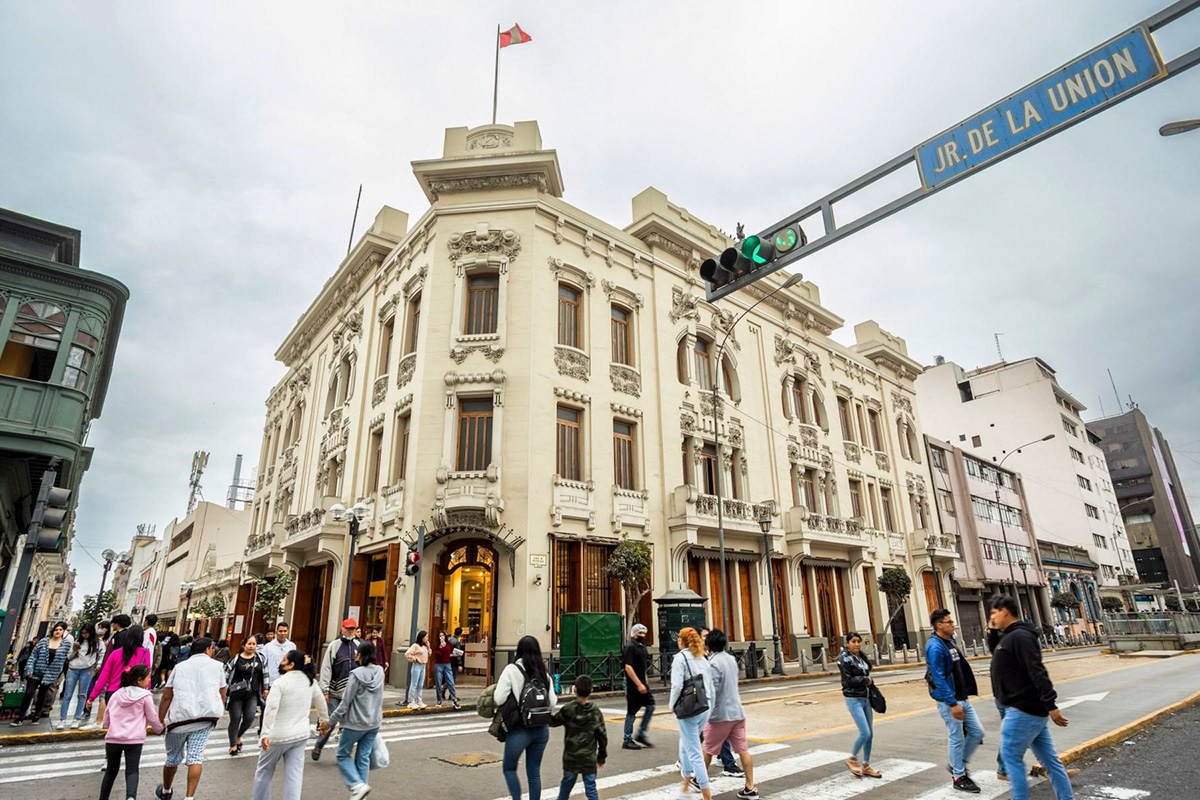
One of the lesser-known facts about Peru is that visitors may encounter the word “Jirón”, often abbreviated as “Jr.”, when exploring the streets of Lima and other Peruvian cities.
In Peruvian street addresses, jirón is a traditional term used to identify a street or thoroughfare. It is especially common in historic urban areas, where street names reflect centuries of local history and cultural change.
Unlike the English word “junior,” the abbreviation “Jr.” in a Peruvian address refers to a street name.
Discovering Lima’s Historic Streets
A well-known example is Jirón de la Unión, a pedestrian street in the Historic Center of Lima that connects important landmarks and public spaces.
Walking along this historic street, visitors can admire architectural details, traditional buildings, shops, and traces of Lima’s colonial and republican history.
The surrounding streets also lead to cultural attractions such as Plaza Mayor, historic churches, and museums.
A Useful Detail for Travelers
When navigating Peru, remember that “Jr.” on a street sign or address means jirón, not a person’s name or title.
Understanding small details like this can make exploring Peru’s cities easier and more interesting.
Travel Tip: A guided walking tour through Lima’s Historic Center is an excellent way to discover the stories behind its streets, architecture, and cultural landmarks.
7. Peru Is Home to a Remarkable Part of the Amazon Rainforest
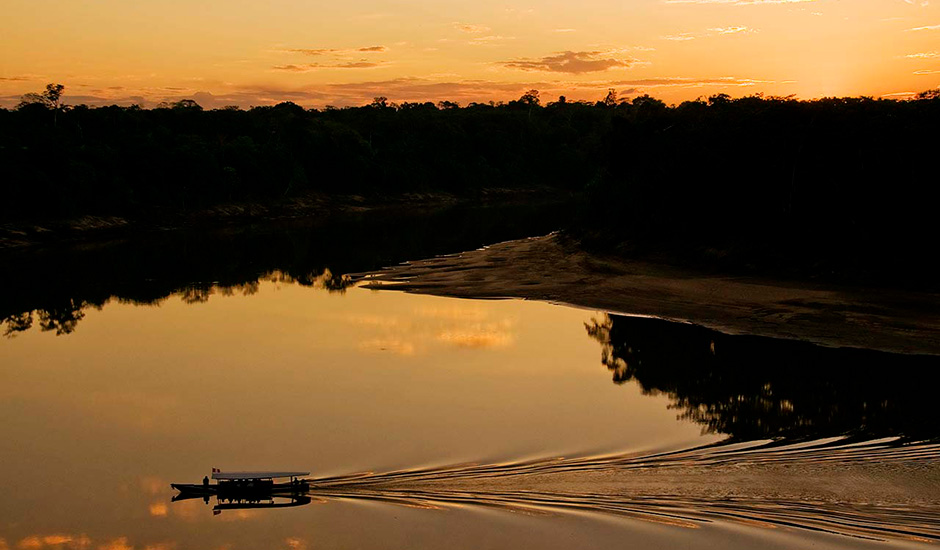
One of the most fascinating facts about Peru is that a vast portion of the country is covered by the Amazon rainforest, one of the most biodiverse ecosystems on Earth.
While Peru is internationally famous for Machu Picchu and the Andes Mountains, its Amazonian region offers a completely different side of the country, filled with tropical forests, winding rivers, and extraordinary wildlife.
The Peruvian Amazon is home to an incredible variety of birds, mammals, reptiles, and plant species, making it an appealing destination for nature lovers and wildlife enthusiasts.
Where Can Travelers Explore the Peruvian Amazon?
Some of the best-known gateways to the Peruvian Amazon include:
- Puerto Maldonado and Tambopata: Known for rainforest lodges, guided jungle excursions, oxbow lakes, and opportunities to observe wildlife.
- Iquitos: A gateway to the northern Amazon, where travelers can explore river ecosystems, rainforest lodges, and Amazon river cruises.
- Manu: An exceptional rainforest region recognized for its biodiversity and protected natural environments.
Each destination offers a different way to experience Peru’s tropical landscapes, from comfortable rainforest lodges to river-based expeditions.
Why Is the Peruvian Amazon So Special?
The Amazon rainforest plays a crucial role in supporting biodiversity, regulating regional water cycles, and sustaining the livelihoods and cultural traditions of Indigenous and local communities.
Travelers visiting the region may enjoy guided forest walks, birdwatching, boat excursions, and opportunities to learn about the rainforest’s extraordinary ecosystems.
Visiting with experienced local guides and responsible operators can help travelers better understand the region while respecting its wildlife and communities.
Travel Tip: If you’re planning a journey that includes Cusco and Machu Picchu, consider adding a few days in the Amazon rainforest to discover another remarkable side of Peru.
Want to learn more about this extraordinary ecosystem? Discover our Peruvian Amazon Rainforest Travel Guide to explore its wildlife, natural landscapes, and cultural heritage.
If you’re considering including a rainforest experience in your itinerary, explore our Amazon Jungle Tours Peru Guide for an introduction to destinations, activities, and travel options.
8. Peru Is Home to One of the World’s Deepest Canyons
One of the most impressive natural facts about Peru is that the country is home to Colca Canyon, one of the deepest canyons in the world.
Located in the Arequipa region of southern Peru, Colca Canyon reaches depths of approximately 4,160 meters (13,650 feet) at its deepest measured point, although figures vary depending on the measurement method.
Surrounded by dramatic Andean mountains, traditional villages, and centuries-old agricultural terraces, the canyon offers much more than spectacular scenery.
Watching Andean Condors in Their Natural Habitat
One of Colca Canyon’s most memorable experiences is observing the majestic Andean condor, one of the world’s largest flying birds by wingspan.
The famous Cruz del Cóndor viewpoint offers an opportunity to watch these magnificent birds soaring above the canyon, often using rising thermal currents to glide through the Andean landscape.
Early morning visits are popular for condor watching, although wildlife sightings are never guaranteed.
Discovering the Culture of the Colca Valley
Beyond its natural beauty, the Colca Valley is home to traditional Andean communities that preserve distinctive cultural practices, agricultural techniques, and local traditions.
Travelers can explore picturesque villages such as Chivay, Yanque, and Maca, admire ancient agricultural terraces, and discover the region’s traditional textiles and cuisine.
The area is also part of the Colca and Volcanoes of Andagua UNESCO Global Geopark, recognized for its remarkable geological and cultural heritage.
Travel Tip: Consider spending at least one night in the Colca Valley rather than rushing through the region on a day trip from Arequipa. This allows more time to enjoy the landscapes, visit local communities, and explore the valley at a comfortable pace.

9. Guinea Pig Is a Traditional Dish in the Peruvian Andes
One of the most surprising cultural facts about Peru is that guinea pig, locally known as cuy, is part of the traditional cuisine of the Peruvian Andes.
While guinea pigs are commonly kept as pets in countries such as the United States, they have been raised as a source of food in Andean communities for thousands of years.
In Peru, cuy is closely associated with regional culinary traditions, family celebrations, and special occasions, particularly in the Andean highlands.
A Culinary Tradition with Ancient Roots
Cuy has a long history in Andean food culture, dating back to pre-Columbian societies.
Today, it remains an important traditional dish in regions such as Cusco, Arequipa, and other parts of the Peruvian highlands.
Preparation methods vary by region. Some popular versions include cuy chactado, traditionally flattened and fried until crispy, and roasted cuy served with potatoes and regional accompaniments.
For many local communities, cuy represents much more than a dish: it is part of a culinary heritage passed down through generations.
Discovering Peru Through Its Gastronomy
Peru’s culinary diversity reflects its geography, history, and cultural traditions.
Beyond internationally famous dishes such as ceviche and lomo saltado, travelers can discover regional specialties that reveal the country’s distinctive culinary identity.
Exploring local markets, traditional restaurants, and regional food experiences offers an opportunity to understand how ingredients and cooking techniques differ throughout Peru.
Travel Tip: When visiting Cusco or the Sacred Valley, consider exploring traditional Andean cuisine with a knowledgeable local guide. Trying cuy is entirely optional, and there are many other regional specialties to discover.

10. Machu Picchu Is One of the World’s Most Extraordinary Inca Sites
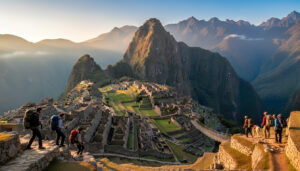
One of the most remarkable facts about Peru is that it is home to Machu Picchu, an extraordinary Inca archaeological site nestled among the mountains of the Peruvian Andes.
Built during the 15th century, Machu Picchu is celebrated for its sophisticated stone architecture, agricultural terraces, and remarkable integration with the surrounding mountain landscape.
Located in the Cusco region, approximately 2,430 meters (7,970 feet) above sea level, the historic sanctuary is recognized as a UNESCO World Heritage Site and one of Peru’s most iconic cultural landmarks.
What Makes Machu Picchu So Special?
Machu Picchu offers a fascinating glimpse into the engineering knowledge and cultural achievements of the Inca civilization.
Its carefully constructed stone buildings, ceremonial spaces, and agricultural terraces demonstrate how the Incas adapted their architecture to the challenging Andean environment.
The site is also surrounded by mountain forests and extraordinary biodiversity, making it significant for both its cultural and natural heritage.
How Can Travelers Experience Machu Picchu?
Most visitors travel through Cusco and the Sacred Valley before taking a train to Machu Picchu Pueblo, also known as Aguas Calientes, and continuing to the archaeological site.
Depending on their interests and physical abilities, travelers may also explore trekking routes such as the Inca Trail.
Because entrance tickets are linked to designated circuits and visiting schedules, planning ahead is important, particularly during popular travel periods.
Travel Tip: A private guided visit can help you better understand Machu Picchu’s history and architecture while allowing you to plan the experience around your interests, available entry times, and preferred travel style.

Planning to explore this extraordinary Inca site? Discover where Machu Picchu is located in Peru and learn about the best ways to reach it from Cusco.
You can also read our guide to the best time to visit Machu Picchu to understand seasonal weather and plan your journey.
Discover Peru Through a Private, Personalized Journey
Peru is much more than a collection of fascinating facts. It is a destination where ancient history, breathtaking landscapes, vibrant traditions, and extraordinary cultural experiences come together.
From exploring the remarkable ruins of Machu Picchu and discovering the traditions of the Sacred Valley to experiencing the wildlife of the Amazon rainforest, every region offers a different perspective on this extraordinary country.
At Trip Peru, we have spent more than 20 years creating private, personalized journeys that allow travelers to discover Peru at their own pace.
Our travel specialists combine local knowledge, carefully selected accommodations, private transportation, and thoughtfully designed experiences to create itineraries tailored to your interests, preferred travel dates, and travel style.
Whether you’re planning your first visit to Peru or looking to discover more of South America, our team can help you design a journey that feels truly your own.
Ready to discover Peru?
Let our local travel specialists help you create an unforgettable experience.