Machu Picchu, the lost city of the Incas, remains one of the world’s most captivating destinations. For adventurers planning their journey, the decision often comes down to two primary paths: the legendary Classic Inca Trail or one of the many exhilarating alternative treks. Both offer unique ways to experience the breathtaking landscapes and rich history of the Peruvian Andes, leading to the magnificent citadel. Understanding the differences is key to choosing the perfect adventure for your style and preferences.
The Enduring Appeal of the Classic Inca Trail
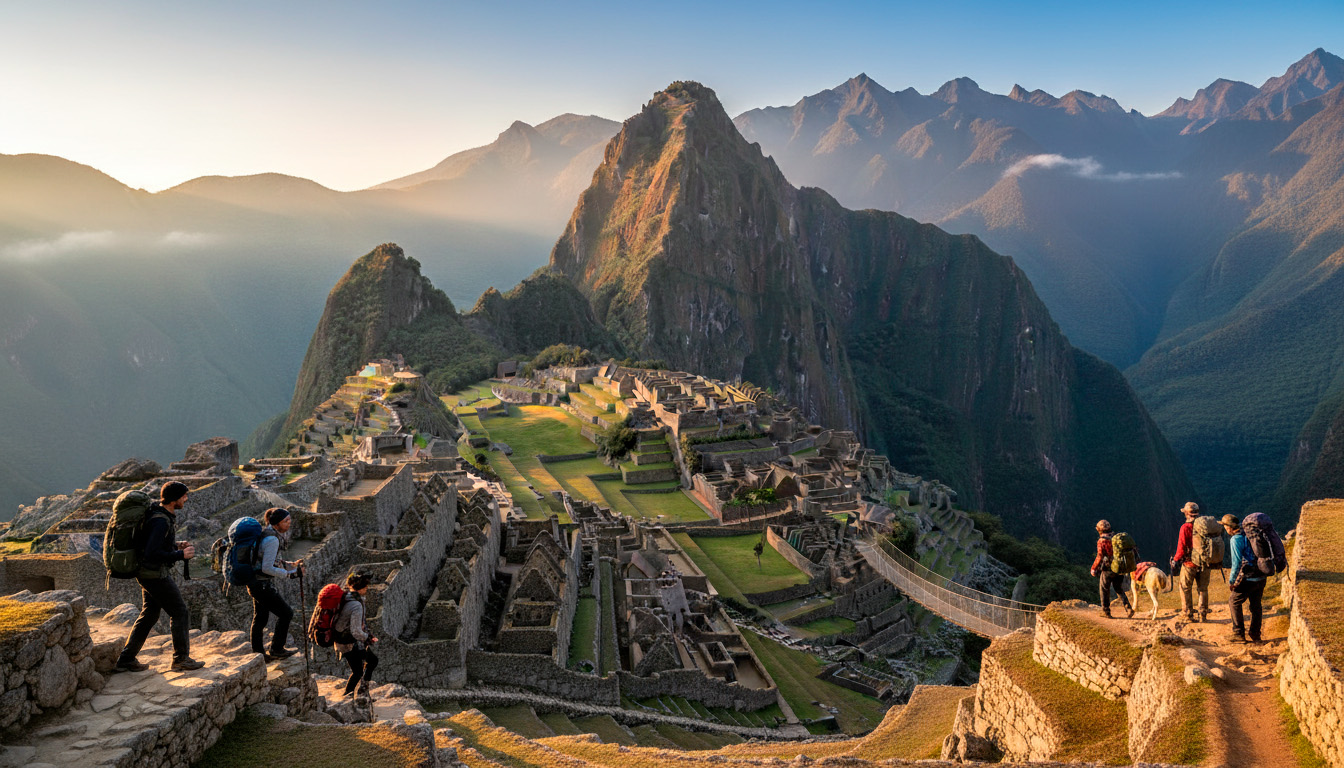
The Classic Inca Trail is arguably the most famous trek in South America, a four day journey that follows ancient Inca pathways through cloud forests, past archaeological sites, and over challenging mountain passes before culminating in a sunrise view of Machu Picchu from the Sun Gate. Its historical significance and the unparalleled sense of accomplishment make it a coveted experience. Trekkers pass through sites like Runcuracay and Phuyupatamarca, immersing themselves in Inca engineering and spirituality. However, due to its popularity, permits are highly limited and must be booked months in advance, especially for peak seasons. For those seeking this iconic experience, securing your spot early with a reputable tour operator is essential. Discover more about this incredible journey: Adventure at the Inca Trail to Machu Picchu.
Exploring Alternative Treks to Machu Picchu
While the Classic Inca Trail holds legendary status, a growing number of travelers are discovering the charm and diversity of alternative treks to Machu Picchu. These routes often offer more flexibility, fewer crowds, and a broader range of landscapes and cultural encounters.
- Salkantay Trek: A popular alternative, this trek crosses the formidable Salkantay Pass (4,600m/15,100ft) offering stunning views of snow capped peaks before descending into lush cloud forests and coffee plantations. It’s a challenging but incredibly rewarding five day journey.
- Lares Trek: Ideal for those seeking cultural immersion, the Lares Trek takes you through remote Andean villages where you can interact with local communities and witness traditional weaving practices. It’s generally less strenuous and offers a deep dive into Peruvian culture.
- Inca Jungle Trek: A multi sport adventure combining trekking with mountain biking, rafting, and zip lining, leading to Machu Picchu. It’s perfect for adrenaline junkies looking for a different kind of thrill.
- Choquequirao Trek: Known as Machu Picchu’s “sister city,” Choquequirao is a more challenging and longer trek, often extending to Machu Picchu itself. It offers a remote, uncrowded experience to an equally impressive Inca site.
These alternatives provide diverse ways to reach the ancient city, catering to different fitness levels and interests. Explore various options for your next adventure: Machu Picchu Tours.
Choosing Your Adventure
When planning your Machu Picchu treks, consider several factors:
- Fitness Level: The Classic Inca Trail and Salkantay are challenging. Lares is moderate, and the Inca Jungle Trek offers varied activities.
- Crowd Preference: If you prefer solitude and fewer people, alternative treks are generally better.
- Cultural Immersion: The Lares Trek excels in direct community engagement.
- Booking Window: The Inca Trail requires booking up to a year in advance, while alternatives offer more flexibility.
Regardless of your choice, booking with a reliable Agency travel is crucial for a safe and well organized trip. They can help you navigate permits, logistics, and ensure an enriching experience.
Conclusión
Whether you dream of walking the sacred paths of the Classic Inca Trail or exploring the diverse landscapes of an alternative trek, a journey to Machu Picchu promises an unforgettable adventure. Each route offers its own unique magic, leading you through the heart of the Andes to one of humanity’s most extraordinary achievements. Plan wisely, prepare thoroughly, and get ready to be amazed by the wonders of Peru.