When planning your trips to Peru, it’s essential to be well-informed — especially when it comes to the weather. With its incredible ecological diversity, Peru is home to over 90 microclimates, making it a country of contrasts where the weather can vary dramatically from one region to another.
Many travelers on their tour to Peru are surprised when they arrive in Cusco and experience a completely different climate than in Lima. That’s because Peru is geographically divided into three distinct regions: the Coast, the Highlands, and the Jungle — each with its own unique weather patterns.
☀️ To help you feel confident while packing and planning, we’ve prepared a quick guide on what to expect in each region, so you can choose the best time to travel to Peru based on your itinerary and interests.
Whether you’re hiking through the Andes, exploring the Amazon, or relaxing along the Pacific coast, understanding the climate will ensure your journey is as smooth and enjoyable as possible.
Coast, the Region of Warm Temperatures Almost All Year Round

The Peruvian coast is one of the best regions to explore during your trips to Peru, thanks to its pleasant climate throughout the year. With warm temperatures and minimal extremes, it’s ideal for travelers seeking comfort without the sweltering heat or intense cold found in other regions.
☁️ Winter on the Coast:
While winter on the coast doesn’t bring freezing temperatures, it’s known for its high humidity, which can create a sensation of cold, especially in cities like Lima. If your tour to Peru takes place during this season, we recommend packing layers and clothing that protects against humidity to stay comfortable throughout the day.
☀️ Summer on the Coast:
Summer is a great time to enjoy coastal destinations such as Paracas, Trujillo, and Lima’s beaches. During this season, temperatures can rise up to 35°C (95°F), with the highest heat felt from noon to late afternoon. Mornings may begin with light coastal fog, but skies typically clear as the day progresses — perfect for sightseeing or relaxing by the sea.
🌸 Spring on the Coast (November & December):
Spring is generally mild, but it’s important to note that this period can bring sporadic rainfall. Although rain is usually light, there are occasional heavy showers that may cause rivers to overflow in some areas. If your trip to Peru includes coastal travel during these months, be sure to monitor local weather updates and plan accordingly.
Knowing the seasonal patterns of the coast will help you choose the best time to travel to Peru, ensuring a smooth and memorable journey filled with sun, culture, and coastal charm.
If traveling in Peru is one of your alternatives, you should consider these places to learn more about
- Piura
- Colán Beach
- Lima
- Huanchaco Beach
- Punta Sal
- Nazca Lines
The Highlands Are Known for the ‘Friaje’ (Cold Winds Phenomenon) of the Andes

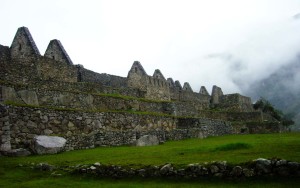
The Peruvian highlands are home to some of the country’s most iconic destinations, including the world-famous Machu Picchu. This mountainous region, shaped by the majestic Andes, is a must for anyone planning trips to Peru focused on culture, history, and breathtaking landscapes.
The weather in the highlands varies greatly depending on the altitude, but overall, it tends to be cold — especially at night. To help you plan better, it’s important to understand the two main seasons in this region:
☀️ Dry Season – Highland Summer (April to October):
This is considered the best time to travel to Peru, especially if your tour to Peru includes Cusco, the Sacred Valley, or Machu Picchu. Days are typically sunny and pleasant, with minimal rainfall — perfect for trekking and exploring ancient sites. However, nights can be quite cold, so pack warm layers.
🌧️ Rainy Season – Highland Winter (November to March):
During these months, the highlands experience heavy rainfall, especially in January and February. Daytime temperatures can reach up to 24°C (75°F), while at night, they may drop to -3°C (27°F) in some areas. Although travel is still possible, roads and trails may be affected, so plan accordingly and dress in waterproof, layered clothing.
✨ The Peruvian highlands offer more than just scenic beauty. From deep-rooted Andean traditions and colorful festivals to peaceful towns nestled in the mountains, this region invites you to slow down and connect with Peru’s authentic spirit.
These are the most visited places in the Peruvian Andean region:
- Machu Picchu, Cusco
- Colca Canyon, Arequipa
- Lago Titicaca (Lake Titicaca), Puno
- Baños del Inca, Cajamarca
- The Sacred Valley of the Incas, Cusco
The Jungle, the Place to Enjoy the Best Tropical Climate

Peru is home to one of the most biodiverse regions on Earth: the Amazon Rainforest. This lush, green paradise covers a vast portion of the country and offers an unforgettable experience for those seeking to reconnect with nature. For many travelers, the Amazon is a highlight of their trips to Peru, offering serenity, adventure, and unique wildlife encounters — all in one extraordinary destination.
If your tour to Peru includes the Amazon, it’s essential to understand the seasonal climate so you can prepare accordingly and make the most of your journey.
🌧️ November to March – Rainy Season:
During these months, the Peruvian Amazon experiences frequent and heavy rainfall. River levels rise significantly, which can sometimes lead to flooding or delays in transportation. While the rainforest is still accessible, exploring the region may be more challenging. If you travel during this time, be sure to pack waterproof gear and plan with flexibility.
☀️ April to October – Dry Season:
This period is generally considered the best time to travel to Peru if you’re heading to the Amazon. Rainfall is lighter and less frequent, making it easier to navigate jungle trails, take boat rides, and observe wildlife. It’s the ideal season for immersive rainforest experiences without major weather disruptions.
❄️ May and August – Friaje Phenomenon:
Despite being part of the dry season, travelers should be aware of a unique Amazonian cold snap called “friaje”, which can occur especially in May and August. During these short periods, temperatures can unexpectedly drop to 8°C (46°F) or even -12°C (10°F) in some areas. Bringing warm clothing for early mornings and nights is recommended.
The Peruvian Amazon is a magical destination that adds depth and adventure to any of your trips to Peru. With the right planning and seasonal awareness, your journey into the jungle can be one of the most rewarding parts of your tour to Peru.
If you are planning to travel to Peru and visit the Amazon, we recommend the following places to get delighted with the beauty of the country:
- Tambopata, Madre de Dios
- Manu National Park
- Pucallpa
- Iquitos
- Tarapoto
Take your previsions, and plan the date of your trip to avoid any inconvenience. You can count on us as one of the best travel agencies, so we can asist you in planning your next trip to Peru.