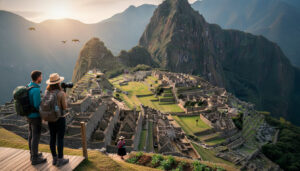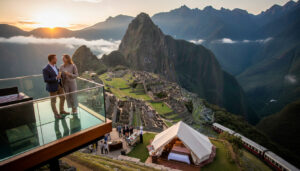
The travel landscape is continually evolving, the demand for meaningful, authentic, and responsible journeys will be stronger than ever. For travel agencies focusing on Peru, understanding and integrating sustainable and experiential travel principles is crucial for designing itineraries that resonate with modern travelers. Peru, with its rich cultural heritage, breathtaking natural wonders, and diverse ecosystems, offers an unparalleled canvas for crafting truly unique adventures.
Why Sustainable & Experiential Travel in Peru?
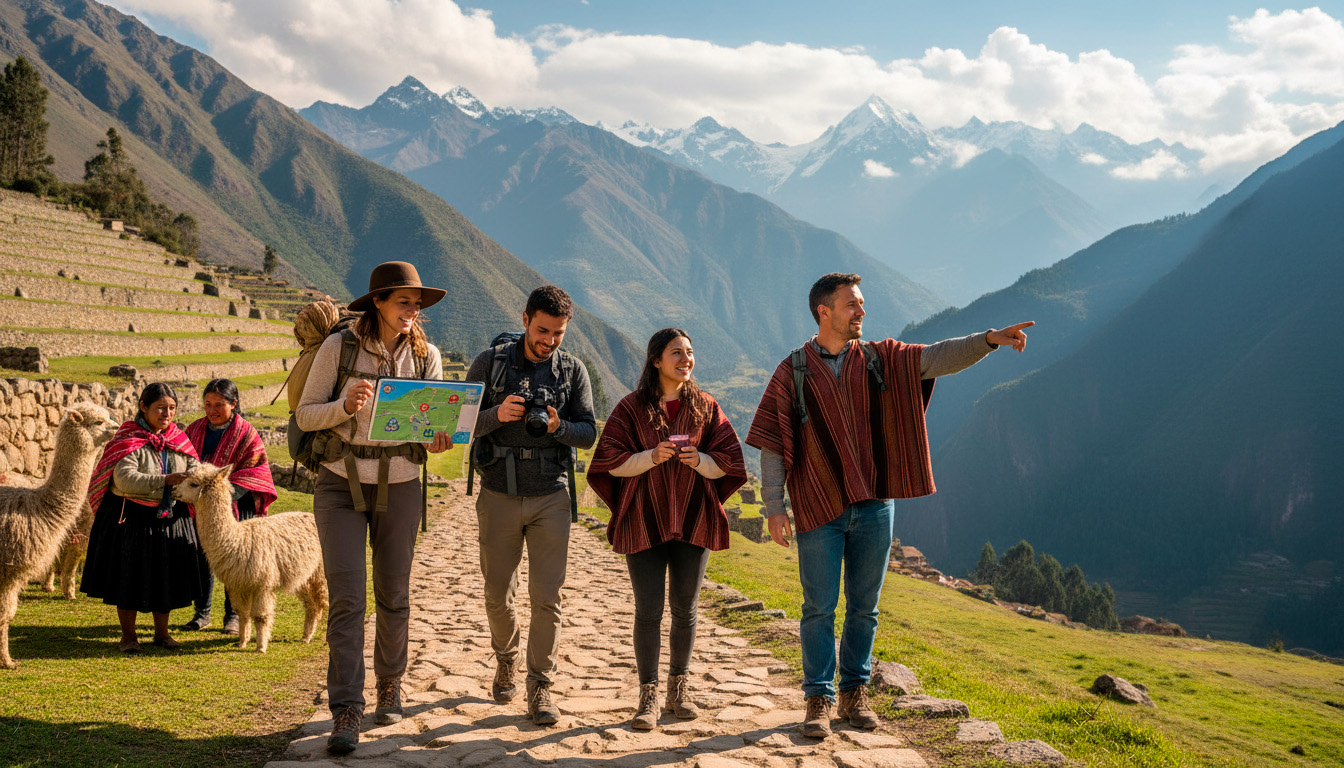
Travelers today seek more than just sightseeing; they yearn for deeper connections, personal growth, and a positive impact on the places they visit. Peru is perfectly positioned to meet this demand. From the ancient Incan trails to the vibrant Amazon rainforest, and the majestic Andes, every corner of the country offers opportunities for immersive experiences. Agencies that prioritize sustainability not only contribute to the preservation of these treasures but also appeal to a growing market segment that values ethical tourism. Focusing on experiential travel allows visitors to engage directly with local communities, learn traditional crafts, participate in conservation efforts, and savor authentic Peruvian cuisine, moving beyond the conventional tourist path.
Key Pillars for Designing Unique Itineraries
To craft standout itineraries for Peru, agencies should focus on these core pillars:
- Local Immersion and Community Engagement: Encourage direct interaction with local communities. This could involve homestays in the Sacred Valley, cooking classes with local families, or participating in traditional ceremonies. Such experiences provide authentic insights into Peruvian life and ensure economic benefits reach local populations.
- Environmental Responsibility: Integrate eco friendly practices into every aspect of the trip. This includes choosing accommodations with strong environmental policies, promoting responsible waste management, and educating travelers on preserving natural habitats. For instance, when planning a trip to Machu Picchu, emphasize respecting the environment and local regulations.
- Authentic and Off the Beaten Path Experiences: While iconic sites like Machu Picchu remain essential, combine them with lesser-known gems. Explore the northern treasures, discover the Peruvian Andes beyond Cusco, or venture into the Amazon. These combinations create a more diverse and memorable journey. Consider unique Peru tours that blend adventure with cultural depth.
Practical Tips for Agencies
For any agency travel looking to excel in this niche, practical implementation is key:
- Collaborate with Local Providers: Partner with local guides, small businesses, and community-based tourism initiatives. This not only enriches the traveler’s experience but also empowers local economies and ensures authenticity.
- Offer Flexible and Customizable Options: Modern travelers appreciate the ability to tailor their trips. Provide modules that allow them to choose between different levels of adventure, cultural immersion, or relaxation. Showcase the diverse Peruvian destinations and allow travelers to build their dream trip.
- Educate Travelers: Prepare travelers with information about local customs, environmental guidelines, and the positive impact of their choices. A well-informed traveler is a more responsible and appreciative one.
- Highlight Unique Combinations: Design itineraries that offer a blend of experiences. For example, combine the iconic “Discover Cusco, Sacred Valley & Machu Picchu” with a visit to a remote Andean village or an Amazon lodge for a truly comprehensive adventure.
Conclusión
The future of travel in Peru is undoubtedly sustainable and experiential. By embracing these principles, travel agencies can design unique, impactful itineraries. This approach not only meets the evolving demands of travelers but also ensures the preservation of Peru’s incredible natural and cultural heritage for generations to come. Partnering with local experts and committing to responsible practices will position agencies as leaders in this exciting new era of exploration.