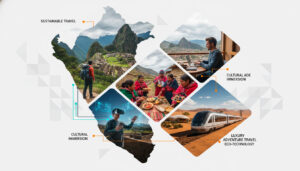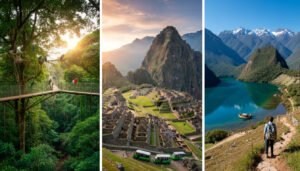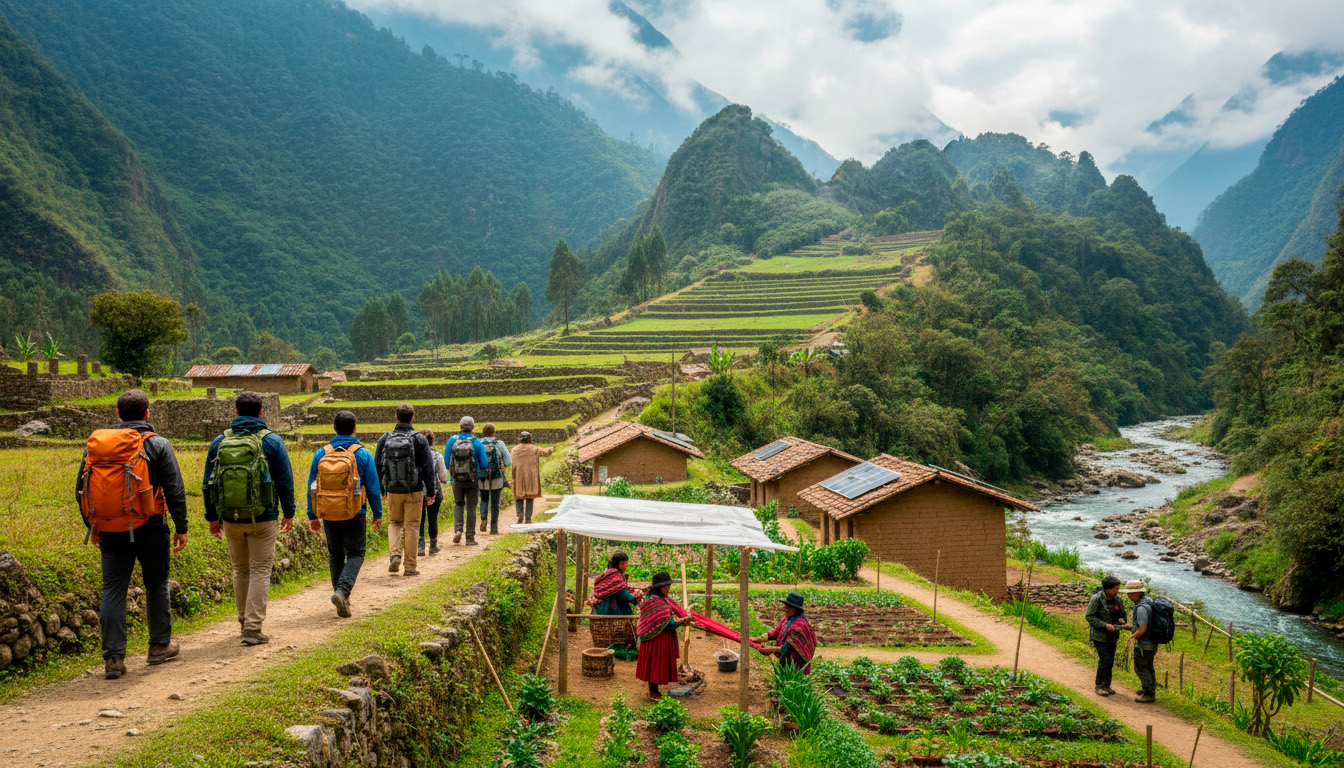
The global travel landscape is rapidly evolving, with a significant shift towards more responsible and sustainable practices. In 2026, Peru stands at the forefront of this transformation, offering unparalleled opportunities for travelers seeking authentic, eco conscious experiences. For agency travel, understanding and implementing strategies for sustainable tourism is no longer optional but essential for long term success and positive impact. This article explores how agencies can effectively navigate Peru’s sustainable travel boom, crafting memorable eco adventures that honor both culture and environment.
The Rise of Sustainable Tourism in Peru
Peru, renowned for its breathtaking natural beauty, rich cultural heritage, and iconic sites like Machu Picchu, is perfectly positioned for sustainable tourism. Travelers in 2026 are increasingly aware of their environmental footprint and seek experiences that contribute positively to local communities and conservation efforts. This demand has spurred a “boom” in sustainable travel, pushing agencies to innovate and offer tours that go beyond traditional sightseeing. The country’s diverse ecosystems, from the Amazon rainforest to the Andean highlands, provide a canvas for truly unique and responsible journeys.
Key Strategies for Agencies to Craft Eco Adventures
To excel in this burgeoning market, agencies must adopt a multi faceted approach to sustainability.
- Community Engagement and Fair Practices: Partnering directly with local communities is paramount. This ensures that the economic benefits of tourism reach those who need it most, empowering indigenous groups and rural populations. Agencies should prioritize fair wages, support local businesses, and respect cultural traditions. Offering experiences like homestays or workshops with local artisans creates deeper connections and authentic encounters for travelers.
- Environmental Protection and Conservation: Sustainable travel inherently means minimizing negative environmental impact. This includes reducing waste, conserving water and energy, and supporting local conservation initiatives. Agencies can organize tours that actively contribute to environmental protection, such as tree planting projects or wildlife monitoring. Highlighting Peru’s incredible biodiversity, perhaps through specialized Amazon River tours, can educate travelers on the importance of preservation.
- Authentic and Immersive Experiences: Beyond the well trodden paths, travelers desire genuine cultural immersion. Agencies should design itineraries that allow for meaningful interactions, such as exploring lesser known archaeological sites, participating in traditional ceremonies, or learning about local gastronomy. Offering diverse destinations ensures a broad range of authentic experiences.
- Transparency and Certifications: Building trust with travelers requires transparency about sustainable practices. Agencies should seek and promote certifications from recognized organizations that validate their commitment to environmental and social responsibility. This not only assures travelers but also sets a benchmark for industry standards.
Why Choose a Sustainable Approach
Embracing sustainable travel offers numerous benefits for agencies. It attracts a growing segment of conscientious travelers, enhances brand reputation, fosters stronger relationships with local communities, and contributes to the long term viability of tourism in Peru. By focusing on authentic, eco friendly adventures, agencies can create impactful journeys that leave lasting positive memories for travelers and tangible benefits for Peru. Explore our range of sustainable tours designed to connect you with the heart of Peru.
Conclusion
The sustainable travel boom in Peru by 2026 presents an exciting opportunity for forward thinking agencies. By strategically focusing on community engagement, environmental protection, authentic experiences, and transparency, agencies can craft unique eco adventures that resonate deeply with modern travelers. This approach not only ensures business growth but also plays a vital role in preserving Peru’s invaluable natural and cultural treasures for generations to come.